
Can Dogs Have Zucchini? Benefits, Risks, and How to Serve It Safely
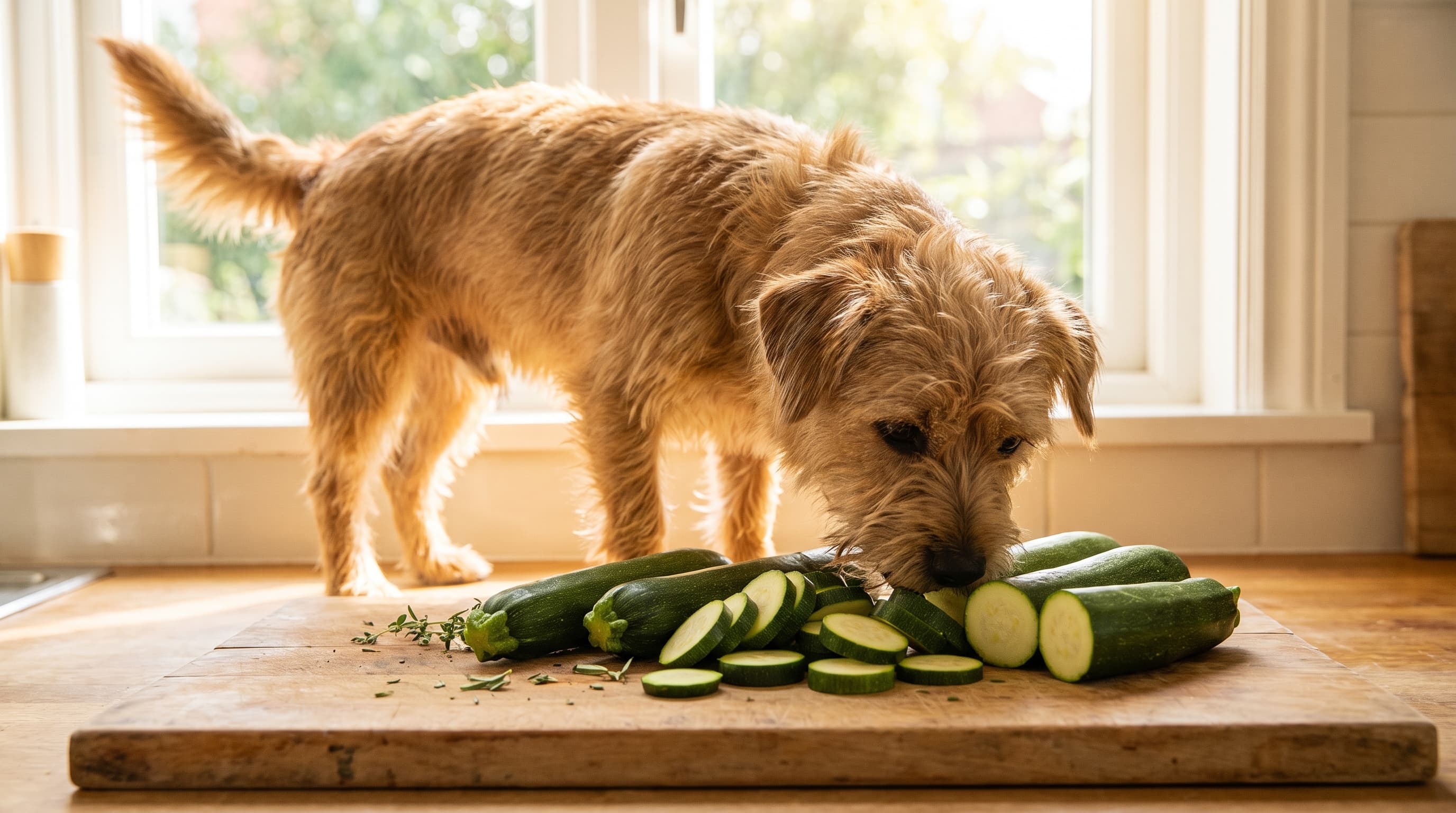
Yes, dogs can have zucchini. Plain raw or cooked zucchini is a safe, low-calorie treat that delivers fiber, potassium, and vitamins A, C, and K. Serve it unseasoned, cut into bite-sized pieces, and keep it to about 10% of your dog's daily calories. Skip the oil, salt, garlic, and onion every time.
Is Zucchini Safe for Dogs?
Zucchini is one of the few vegetables that is considered non-toxic to dogs in essentially every form, as long as it is served plain. According to PetMD, zucchini contains no compounds that are harmful to dogs, which is why veterinary nutritionists frequently suggest it as a guilt-free training reward or food topper. The American Kennel Club agrees that zucchini is safe and even nutritious for most healthy dogs.
The catch is always in the preparation. Zucchini sauteed in butter, roasted in olive oil, or seasoned with garlic and onion powder turns a healthy vegetable into a stomach-upset risk. Garlic and onions are toxic to dogs in any amount, and the ASPCA lists them among the people foods to never feed your pet. When in doubt, the safest zucchini is the most boring zucchini: plain, unsalted, and unseasoned.
Health Benefits of Zucchini for Dogs
Zucchini is roughly 95% water, which makes it an exceptionally low-calorie snack for dogs watching their waistline. A full cup of raw zucchini contains fewer than 20 calories, so it is a smart swap for fatty, processed treats. That high water content also adds a little extra hydration on hot summer days.
Beyond water, zucchini delivers real nutrition. Purina notes that zucchini provides fiber to support healthy digestion, plus vitamins A, C, and K and minerals like potassium and manganese that support immune function, skin, and coat health. The soluble fiber can help firm up loose stools and keep things moving, which is why some owners use a spoonful of cooked zucchini as a gentle digestive aid. If your dog enjoys other fibrous vegetables, you can rotate zucchini with options like other types of squash or pumpkin for variety.
Raw vs. Cooked Zucchini: Which Is Better?
Dogs can eat zucchini both raw and cooked, and neither version is dangerous. Raw zucchini is crunchy and retains the most nutrients, which makes it a satisfying, low-effort treat. The downside is that raw zucchini is harder to digest, so large quantities can cause gas or loose stools in sensitive dogs.
Cooked zucchini is gentler on the stomach and easier for puppies and senior dogs to chew. Steaming, boiling, or dry-roasting without oil preserves nutrients while softening the texture. Avoid frying, breading, or adding any fat or seasoning. Whether you serve it raw or cooked, cut zucchini into small, bite-sized pieces to prevent choking, especially for small breeds.
How Much Zucchini Can a Dog Eat?
The guiding rule is the 10% rule: treats, including vegetables like zucchini, should make up no more than 10% of your dog's daily calories, with the remaining 90% coming from a complete and balanced dog food. For a small dog, that might mean a tablespoon or two of chopped zucchini; for a large dog, a small handful is reasonable.
Introduce zucchini slowly. Offer a small piece the first time and watch for any digestive reaction over the next day before making it a regular snack. Too much zucchini too fast is the most common reason a healthy vegetable causes an upset stomach. Moderation keeps zucchini in the "healthy treat" column rather than the "why is my dog gassy" column.
When Zucchini Becomes a Problem
For most dogs, the worst-case scenario from plain zucchini is temporary gas, bloating, or diarrhea from eating too much. These symptoms usually resolve on their own within a day. The bigger risks come from how the zucchini is prepared and served.
Watch out for three things: seasonings (especially garlic and onion), added fats like oil and butter that can trigger pancreatitis in susceptible dogs, and large unchopped chunks that pose a choking hazard for small dogs. Bitter zucchini is also worth a mention. On rare occasions, zucchini contains high levels of natural compounds called cucurbitacins that make it taste very bitter and can cause vomiting or diarrhea. If a piece of zucchini tastes intensely bitter to you, do not feed it to your dog. As with any new food, contact your veterinarian if your dog shows persistent vomiting, lethargy, or signs of pain.
Easy, Dog-Safe Ways to Serve Zucchini
Once you know zucchini is safe, it is one of the most versatile vegetables to share. A few simple, vet-friendly ideas:
- Raw coins: Slice a zucchini into thin rounds and use them as crunchy, low-calorie training treats.
- Steamed and mashed: Steam until soft and stir a spoonful into your dog's regular food as a fiber-rich topper.
- Frozen sticks: Cut into batons and freeze for a soothing summer chew that helps with hot-weather hydration.
- Mixed veggie bowl: Combine plain zucchini with other dog-safe vegetables like cauliflower or peas for a colorful, low-calorie food topper.
Skip the zucchini bread, fritters, and casseroles. Those recipes are loaded with sugar, fat, and seasonings that undo every benefit the vegetable offers.
Zucchini vs. Other Vegetables: How It Stacks Up
Part of what makes zucchini such a popular dog snack is its forgiving nutritional profile. Compared to starchier vegetables, zucchini is lower in sugar and calories, which matters for overweight dogs and breeds prone to weight gain. Where a sweet potato is calorie-dense and best in small servings, zucchini can be offered a little more generously because it is mostly water and fiber.
It also sidesteps some of the common pitfalls of other produce. Unlike grapes and raisins, which are toxic to dogs, zucchini carries no hidden danger compounds. Unlike corn on the cob, the soft flesh poses little obstruction risk when chopped. That said, zucchini should still be rotated rather than relied on as a sole vegetable, because a balanced diet draws nutrients from a variety of sources. Many owners keep a short rotation of vet-approved vegetables, swapping zucchini with options like green beans, squash, and cauliflower through the week so no single food dominates the treat budget.
One practical advantage of zucchini is availability. It is inexpensive, sold year-round, and easy to grow, which makes it a convenient staple for owners who like to share fresh produce. During summer, when home gardens overflow with it, zucchini becomes a natural, cooling treat that fits the season.
Special Cases: Dogs With Health Conditions
While zucchini is safe for the vast majority of dogs, a few situations call for extra care. Dogs with a history of pancreatitis should only ever receive zucchini plain, because even small amounts of added fat or oil can trigger a flare-up. Dogs with chronic kidney disease may need their potassium intake monitored, and zucchini does contain potassium, so a quick conversation with your veterinarian is worthwhile before making it routine.
Dogs with sensitive stomachs or food intolerances should be introduced to zucchini especially slowly, in tiny amounts, with a full day of observation between servings. Puppies, senior dogs, and toy breeds benefit most from cooked, finely chopped zucchini to reduce both digestive strain and choking risk. None of these conditions makes zucchini off-limits, but they are reminders that "safe for dogs in general" is not the same as "safe for every dog without thought." Your veterinarian knows your dog's medical history and is the right person to confirm whether zucchini belongs in their bowl.
Frequently Asked Questions
Can puppies eat zucchini?
Yes, healthy puppies can have small amounts of plain, soft-cooked zucchini cut into tiny pieces. Because puppies have sensitive stomachs and specific nutritional needs, introduce it in very small quantities and check with your veterinarian first.
Can dogs eat zucchini skin and seeds?
Yes. The skin and seeds of a standard zucchini are safe for dogs and contain extra fiber. Just wash the zucchini well to remove pesticide residue and cut it into manageable pieces.
Is cooked zucchini better than raw for dogs?
Both are safe. Cooked zucchini is easier to digest and gentler on sensitive stomachs, while raw zucchini keeps more nutrients and crunch. Either way, serve it plain with no oil or seasoning.
How much zucchini is too much for a dog?
Any amount that pushes treats past 10% of daily calories is too much. Eating a large quantity at once commonly causes gas or diarrhea, so stick to a few small pieces appropriate to your dog's size.
Can zucchini help a dog's digestion?
The fiber in zucchini can support healthy digestion and help firm up mild loose stools for some dogs. It is not a treatment for ongoing digestive issues, though, so see your vet if symptoms persist.
The Bottom Line
Zucchini earns its spot as one of the best low-calorie vegetables you can share with your dog. Served plain, chopped small, and in moderation, it is hydrating, nutritious, and almost universally safe. Keep it unseasoned, watch the portion size, and you have a guilt-free treat for training, topping, or summer snacking. This article is for general information only and is not a substitute for professional advice; talk to your veterinarian before adding any new food to your dog's diet, especially if your dog has a health condition.
Hungry for more dog-care answers like this? Explore our guides to other dog-safe foods and subscribe to the Daily Wag newsletter for vet-informed tips delivered straight to your inbox.