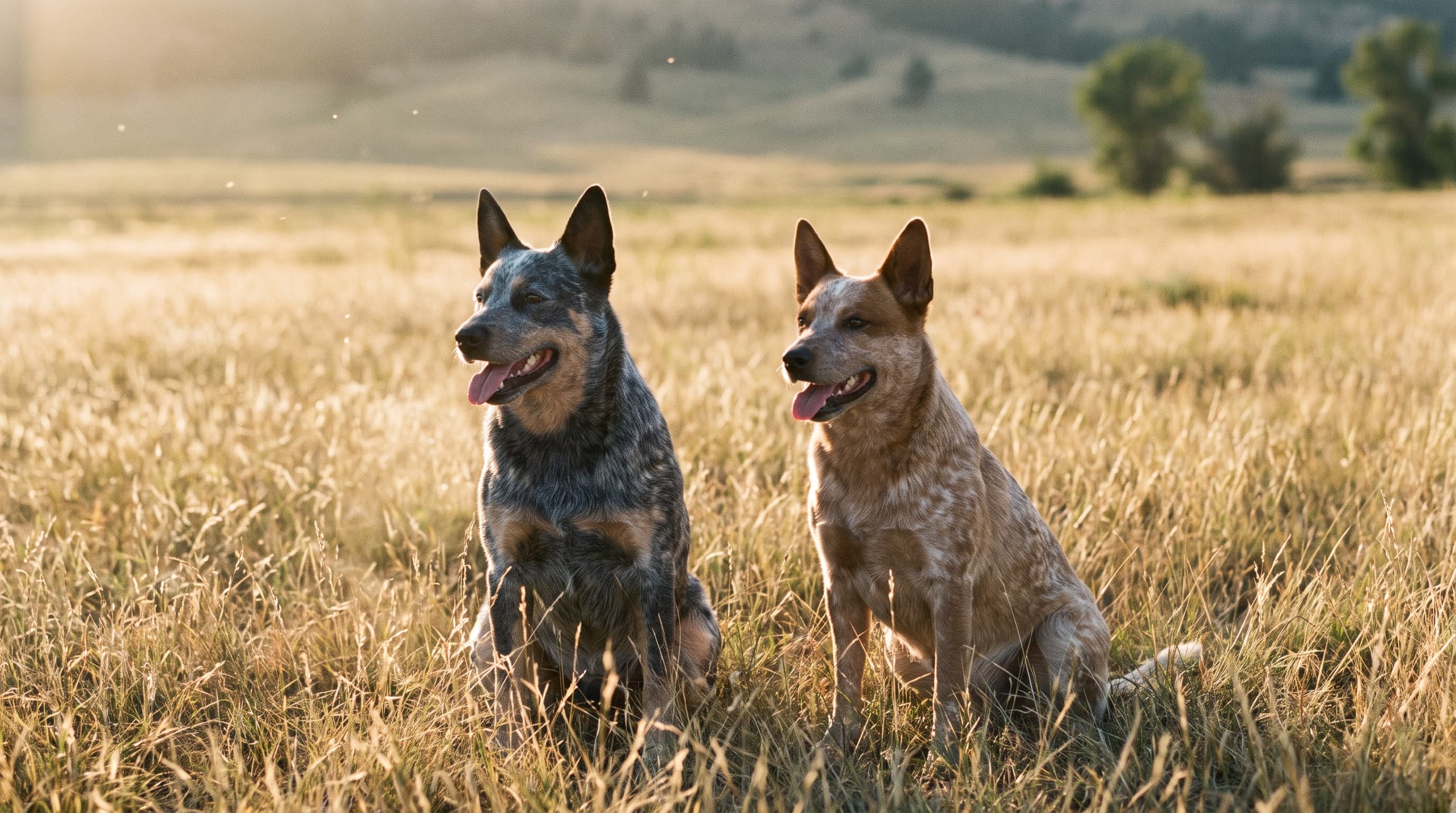

Red Heeler vs Blue Heeler: What's Actually Different?
Here's the short answer: a red heeler and a blue heeler are the exact same breed — the Australian Cattle Dog — separated only by coat color. "Blue" dogs carry black-and-white ticked hairs that read as blue-gray; "red" dogs carry brown-and-white ticked hairs. Temperament, size, intelligence, energy, and health are identical. Color is cosmetic, not a difference in breed or personality.
If you've been comparing "red heeler vs blue heeler" like they're two separate dogs, you can relax. Below we break down where the color actually comes from, why the two-name myth spread, and everything that does matter when you're choosing (or living with) one of these brilliant, high-octane herders.
Are Red and Blue Heelers the Same Breed?
Yes. Both are Australian Cattle Dogs, a breed the American Kennel Club also lists under the nicknames "Blue Heeler" and "Queensland Heeler." The word heeler describes the job, not the color: these dogs move stubborn cattle by nipping at their heels. A litter can contain both red and blue puppies, and two blue parents can produce red pups (and vice versa) depending on the genes each carries.
The naming convention is really just shorthand at the breeder or shelter level. Calling a dog a "red heeler" tells you what it looks like, the same way "black Lab" and "yellow Lab" describe one breed in two shades.
Where the Color Actually Comes From
Australian Cattle Dogs owe their speckled look to a ticking gene, which scatters colored hairs across a predominantly white coat. According to breed documentation, both red and blue puppies are actually born mostly white (aside from any solid body or face patches), and the red or black hairs only start showing at around four weeks of age.
Blue heelers get their blue-gray cast from black hairs ticked through white; they may also carry tan points on the legs and face or darker black patches. Red heelers get their warm, even color from red-brown hairs ticked through white, sometimes with solid red markings. It's the same ticking mechanism — just a different base pigment switched on.
Do Red and Blue Heelers Have Different Temperaments?
No. This is the single most persistent myth, and there's no evidence behind it. Coat color is controlled by pigment genes that have nothing to do with the genes shaping behavior. Any "my red is calmer than my blue" story is individual variation — personality differences between two dogs of the same color are just as wide.
What you can reliably expect from an Australian Cattle Dog of either color is a lot of dog in a compact frame: intensely loyal, whip-smart, and wired to work. The AKC notes they're "intelligent enough to routinely outsmart their owners." PetMD describes the breed as extremely intelligent, deeply bonded to their people, and prone to nipping behavior that needs early training — a holdover from generations of heel-driving cattle work.
Size, Coat, and Lifespan (Identical for Both)
Because they're one breed, the numbers are the same regardless of color:
- Height: roughly 17–20 inches at the shoulder.
- Weight: about 30–50 pounds — a sturdy, muscular medium.
- Coat: a short, weather-resistant double coat that sheds moderately year-round and "blows" heavily a couple of times a year. Weekly brushing (daily during a shed) keeps it manageable.
- Lifespan: long for a working dog. A 2024 UK study cited in the breed's records found an average life expectancy of around 14 years, ahead of the purebred average.
Grooming is low-maintenance for either color — no clipping, no fancy trims, just brushing and the occasional bath.
Energy and Exercise Needs
This is where prospective owners should focus far more than on color. Australian Cattle Dogs are among the highest-energy breeds you can bring home. PetMD flags them as unsuitable for apartment living without serious daily outlets, and they can develop destructive habits or separation anxiety when under-exercised.
Plan on at least an hour or two of hard physical activity plus mental work every day: long runs, fetch, agility, herding trials, scent games, or advanced obedience. A bored heeler will invent its own job, and you won't like the job it picks. These dogs shine with active owners — runners, hikers, farmers, and anyone who wants a tireless trail or trick partner. (If you're building an outdoor routine, our roundup of the best dog breeds for runners puts the cattle dog near the top for good reason.)
Health Considerations for Australian Cattle Dogs
Color doesn't change the health picture, but there are a few breed-specific conditions worth knowing about before you commit:
- Deafness: Congenital deafness (in one or both ears) appears in the breed and is linked to the genetics behind the white-heavy, ticked coat. Responsible breeders BAER-test puppies.
- Progressive retinal atrophy (PRA): An inherited, gradual degeneration of the retina with no cure, usually starting with night blindness. Genetic testing of breeding stock helps reduce it.
- Hip dysplasia: A heritable joint condition seen in many active breeds. Per VCA Hospitals, keeping a lean weight during growth and screening breeding dogs are the best defenses.
Ask any breeder for hearing, eye, and hip clearances on both parents — those matter infinitely more than whether the puppy is red or blue. This is general information, not veterinary advice; talk to your vet about screening and care for your individual dog.
Red Heeler vs Blue Heeler: Which Should You Choose?
Since everything but color is identical, pick the coat you love — and choose the individual puppy (and breeder) rather than the shade. A well-socialized pup from health-tested parents will serve you far better than a specific color from an unscreened litter. Meet the parents, watch the puppy's temperament, and confirm the health clearances above.
The one honest tradeoff: because so many people specifically request "blue heelers," reds can occasionally be a touch easier to find in rescue. If you're open to either, you may widen your options and shorten your wait.
Frequently Asked Questions
Is a red heeler rarer than a blue heeler?
Not biologically — both colors occur naturally and can appear in the same litter. Blue tends to be more requested, so reds sometimes sit in rescues a little longer, but neither is genuinely rare.
Do blue heelers and red heelers get along?
As well as any two Australian Cattle Dogs — which is to say it depends on socialization and individual personality, not color. Early introductions and training matter far more than coat.
Can two blue heelers have red puppies?
Yes. Depending on the color genes each parent carries, blue parents can produce red pups and red parents can produce blue pups. That's part of why they're clearly the same breed.
Are red or blue heelers better with kids?
Neither has an edge based on color. Australian Cattle Dogs can be wonderful with respectful kids they're raised alongside, but their instinct to nip and herd means young children need supervision and the dog needs early "no heel-nipping" training.
What's the difference between a heeler and an Australian Cattle Dog?
There isn't one. "Heeler" (red or blue), "Queensland Heeler," and "Australian Cattle Dog" are all names for the same breed. Color and regional nicknames are the only things that vary.
The Bottom Line
Red heeler vs blue heeler comes down to one thing: pigment. Same breed, same brains, same boundless energy, same big heart. Choose the color that makes you smile, then pour your attention into finding a healthy, well-bred pup and giving it the job-like exercise and training it craves.
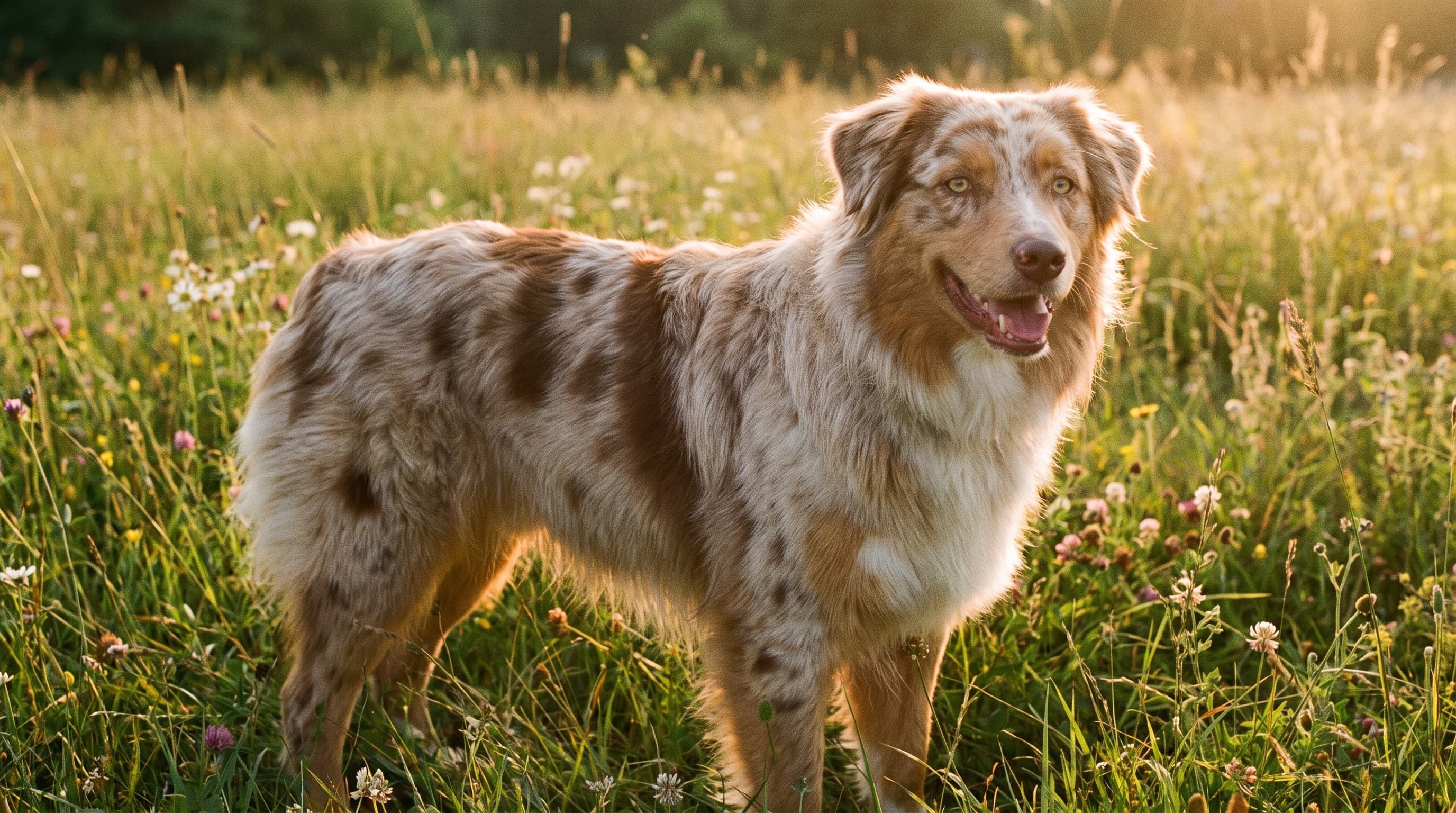
Fascinated by these tireless herders? Dig into the full Australian Cattle Dog breed guide, meet the closely related Texas Heeler (the cattle dog × Australian Shepherd mix), and compare notes with the equally driven Australian Shepherd. Love smart, active dogs? Subscribe to the Daily Wag newsletter for breed deep-dives, training tips, and adventure guides in your inbox.