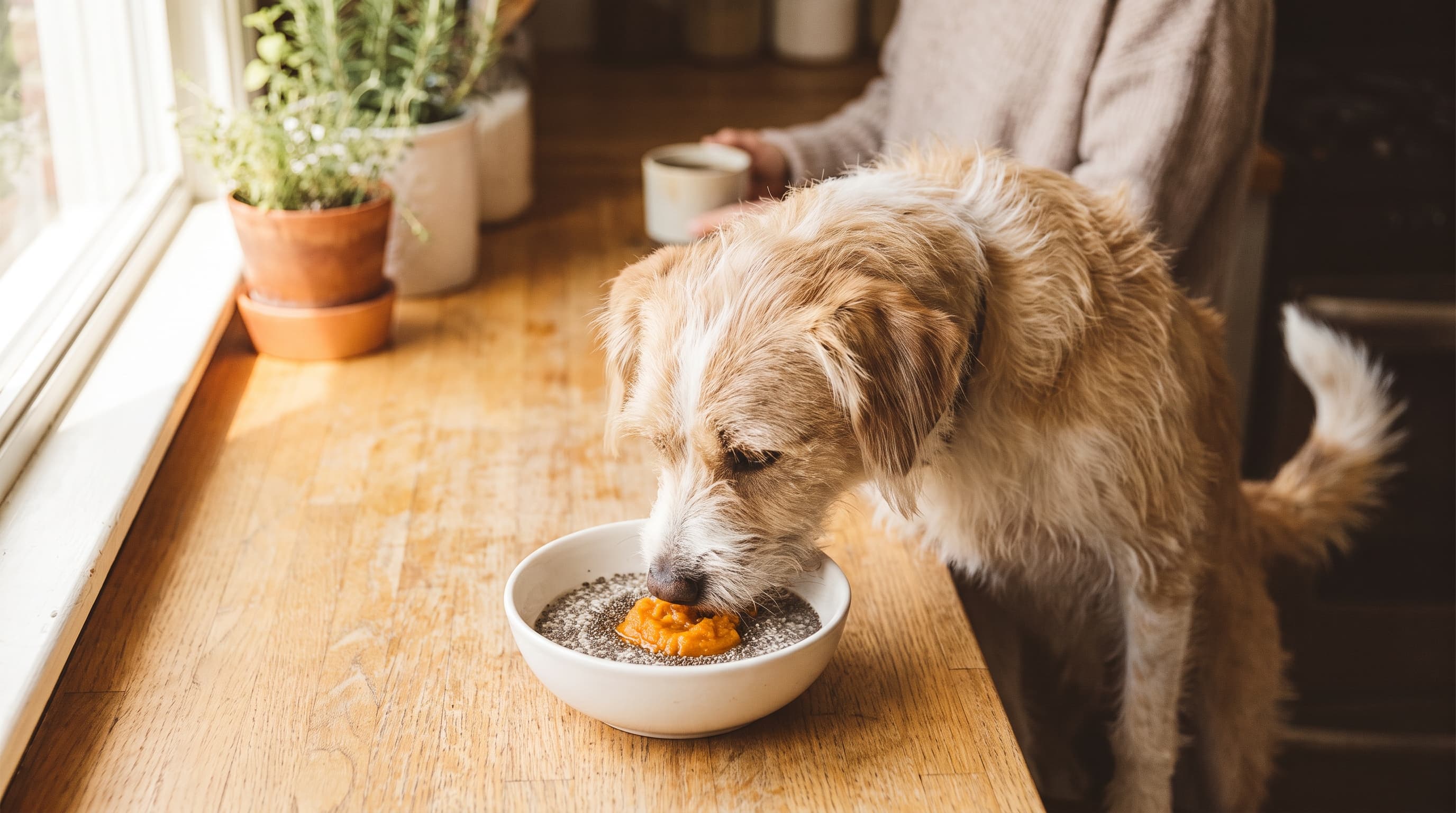

Yes, chia seeds are good for dogs in small, properly prepared amounts. These tiny seeds pack omega-3 fatty acids, soluble fiber, antioxidants, calcium, and magnesium into a package most dogs digest well. The catch: dry chia expands about 10x in liquid, so they must be soaked first, given in vet-approved doses (roughly ¼ teaspoon per 10 lb of body weight daily), and never replace a balanced diet.
What Chia Seeds Actually Contain (and Why It Matters for Dogs)
Chia seeds come from Salvia hispanica, a mint-family plant native to Mexico. By weight, roughly 30% of a chia seed is fat — and about two-thirds of that fat is alpha-linolenic acid (ALA), a plant-form omega-3. Another 30% is fiber, largely soluble, which is why chia forms a gel when it hits water. The rest is a mix of complete protein, calcium, phosphorus, magnesium, iron, and antioxidant compounds like quercetin and chlorogenic acid.
For dogs, three nutrients do most of the heavy lifting: ALA omega-3s for skin, coat, and joint support; soluble fiber for firmer stools and steadier blood sugar; and calcium plus phosphorus for bone maintenance. Independent nutrition sources including Earthborn Holistic and Dogs Naturally Magazine flag chia as one of the few plant sources with a favorable omega-3-to-omega-6 ratio for canines.
6 Real Benefits of Chia Seeds for Dogs
1. Shinier coat and less itchy skin
The ALA in chia gets partially converted to EPA and DHA inside your dog's body. Conversion is inefficient in dogs compared to fish oil, but even modest EPA/DHA gains can help dry, flaky coats and support the skin barrier over 4-6 weeks of consistent use.
2. Firmer stools and steadier digestion
Soluble fiber absorbs excess water in loose stool and adds bulk to sluggish ones. Vets often recommend a fiber source for dogs with intermittent soft stool; chia works similarly to canned pumpkin. If you want a deeper look at how gut fiber works alongside probiotics, our guide to probiotics, prebiotics, and fiber breaks it down.
3. Steadier blood sugar
The gel that soaked chia forms slows carbohydrate absorption, blunting post-meal blood-sugar spikes. That is helpful for pre-diabetic or overweight dogs, though it does not replace insulin therapy in confirmed diabetes.
4. Satiety for weight management
A small serving of soaked chia at mealtime helps overweight dogs feel full on fewer calories. DoggyGrub's nutrition team highlights this satiety effect as one of chia's main practical wins.
5. Antioxidant support
Chia carries roughly twice the antioxidant load of blueberries per gram. Antioxidants help neutralize free radicals produced during normal metabolism, which is why they show up in so many senior-dog formulas.
6. Bone and joint minerals
One tablespoon of dry chia delivers about 179 mg of calcium and 244 mg of phosphorus — meaningful for a 30 lb dog eating a home-cooked or lightly supplemented diet, and a nice add-on to fish oil for joint support.
How Much Chia Should Your Dog Eat? (Dose Chart)
The most-cited guideline across canine-nutrition sources is ¼ teaspoon of dry chia per 10 lb of body weight, once daily. That translates to:
- Toy (under 10 lb): ⅛ teaspoon (a pinch) per day
- Small (10-25 lb): ¼ to ½ teaspoon per day
- Medium (25-50 lb): ½ to 1 teaspoon per day
- Large (50-90 lb): 1 to 1½ teaspoons per day
- Giant (90+ lb): up to 2 teaspoons per day
Start at half the target dose for the first week and watch for loose stools or gas. If your dog tolerates it, ramp up over 10-14 days. Petwell's chia guide and Sundays for Dogs both use similar ramp-up schedules.
How to Prepare Chia Seeds Safely
Never sprinkle dry chia on kibble and walk away. Chia absorbs 9-12 times its weight in liquid, and if that expansion happens inside your dog's throat or stomach with limited water, it can cause discomfort or a choking risk.
The 15-minute soak method
- Measure your dog's daily dose into a small dish.
- Add 5-8 times as much water, low-sodium bone broth, or unsweetened plant milk.
- Stir once, then let sit 10-15 minutes until a soft gel forms.
- Spoon the gel over your dog's regular meal, or mix into plain yogurt or mashed pumpkin puree as a topper.
Refrigerate any prepped gel in a sealed jar — it keeps 3-4 days. Warm it briefly to room temperature before serving; cold gel straight from the fridge can slow digestion in small dogs.
Risks and Side Effects to Watch For
Chia is safe for the majority of healthy dogs, but a few situations call for extra caution:
- GI upset: Too much fiber, too fast, can trigger gas, cramping, or diarrhea. Cut the dose in half and add slowly.
- Dehydration risk: Because chia binds water, make sure your dog has full water access all day. This matters more for seniors and toy breeds.
- Blood-thinner interactions: Omega-3s at high doses can mildly increase bleeding time. Check with your vet if your dog takes anticoagulants or is scheduled for surgery.
- Pancreatitis history: Dogs prone to pancreatitis do better with lower-fat additions; discuss any fat-containing supplement with your vet first.
- Allergies: Rare, but a dog new to chia may develop itching or facial swelling — stop feeding and call your vet if that happens.
This article is for general education. It is not medical advice. Talk to your veterinarian before adding chia seeds or any supplement to a dog with a chronic condition, one who is pregnant, or one who is on medication.
Chia vs. Flaxseed vs. Fish Oil: Which Omega Source Wins?
All three deliver omega-3s, but they are not interchangeable:
- Fish oil (EPA/DHA): The gold standard. Dogs use these directly — no conversion needed. Best for measurable joint and skin outcomes.
- Chia (ALA + fiber + minerals): A whole-food multitasker. Solid for fiber and everyday coat support, weaker than fish oil for high-need joint cases.
- Flaxseed (ALA + lignans): Similar profile to chia but must be freshly ground to unlock the omega-3s and goes rancid faster.
For most healthy adult dogs, a small daily chia serving plus a vet-recommended fish-oil supplement covers both bases. Chia alone is enough for dogs already eating a fish-forward diet.
Best Ways to Add Chia to Your Dog's Bowl
- Chia + pumpkin puree topper: 1 tsp soaked chia stirred into 2 tbsp plain canned pumpkin. Firms up loose stool.
- Chia yogurt lick mat: Mix soaked chia into plain unsweetened yogurt, smear on a lick mat, freeze for 20 minutes. Great summer enrichment.
- Chia + coconut pudding: A spoonful of soaked chia in coconut milk (unsweetened, no additives) — a birthday-worthy topper.
- Kibble booster: Stir the daily gel dose directly into softened kibble at breakfast.
Frequently Asked Questions About Chia Seeds for Dogs
Can puppies eat chia seeds?
Puppies over 12 weeks can have a tiny pinch of soaked chia once or twice a week. Their nutritional needs are already tightly tuned by puppy food, so keep add-ons minimal and clear anything extra with your vet.
Are chia seeds safe for senior dogs?
Yes, and seniors often benefit most from the fiber and mild joint support. Soak thoroughly and keep doses on the lower end for older dogs with reduced kidney or liver function.
Can dogs eat chia pudding made for humans?
Only if it's plain chia soaked in water or unsweetened plant milk — no sugar, no honey, no cocoa, no xylitol, no vanilla extract. Most store-bought chia pudding contains sweeteners that are unsafe for dogs.
Will chia seeds help my dog lose weight?
Chia won't burn fat, but the fiber and gel-forming action can make weight-loss plans easier by curbing hunger between meals. Pair it with a calorie-controlled diet and a bump in activity for real results.
How long until I see benefits?
Coat and skin changes usually take 4-6 weeks of daily use. Stool improvements often show within a week. If nothing changes after two months, chia may not be the missing puzzle piece — talk to your vet about other options.
Can dogs eat chia seed sprouts?
Sprouted chia is safe in tiny amounts but offers no clear advantage over soaked whole seeds. Skip commercially grown sprouts unless they are labeled pet-safe, since some carry a risk of Salmonella.
The Bottom Line
Chia seeds are a low-risk, high-value addition to most dogs' diets when you soak them first and stick to weight-based doses. They aren't a miracle food, but a properly served spoonful most days can quietly support coat, gut, and satiety over time. As with any new food, start small, watch closely, and check in with your veterinarian if your dog has an existing health condition.
Want more vet-vetted nutrition guides delivered to your inbox? Subscribe to the Daily Wag newsletter for a weekly digest of what's safe, what's smart, and what to skip in your dog's bowl.