
Can dogs eat bean sprouts? Yes—dogs can safely eat mung bean sprouts in moderation, and they are best served cooked, plain, and chopped into small pieces. Mung sprouts offer plant protein, fiber, and vitamins, but raw sprouts carry a bacterial risk and alfalfa sprouts are better avoided. Keep them an occasional topper, not a meal replacement.
Are bean sprouts safe for dogs?
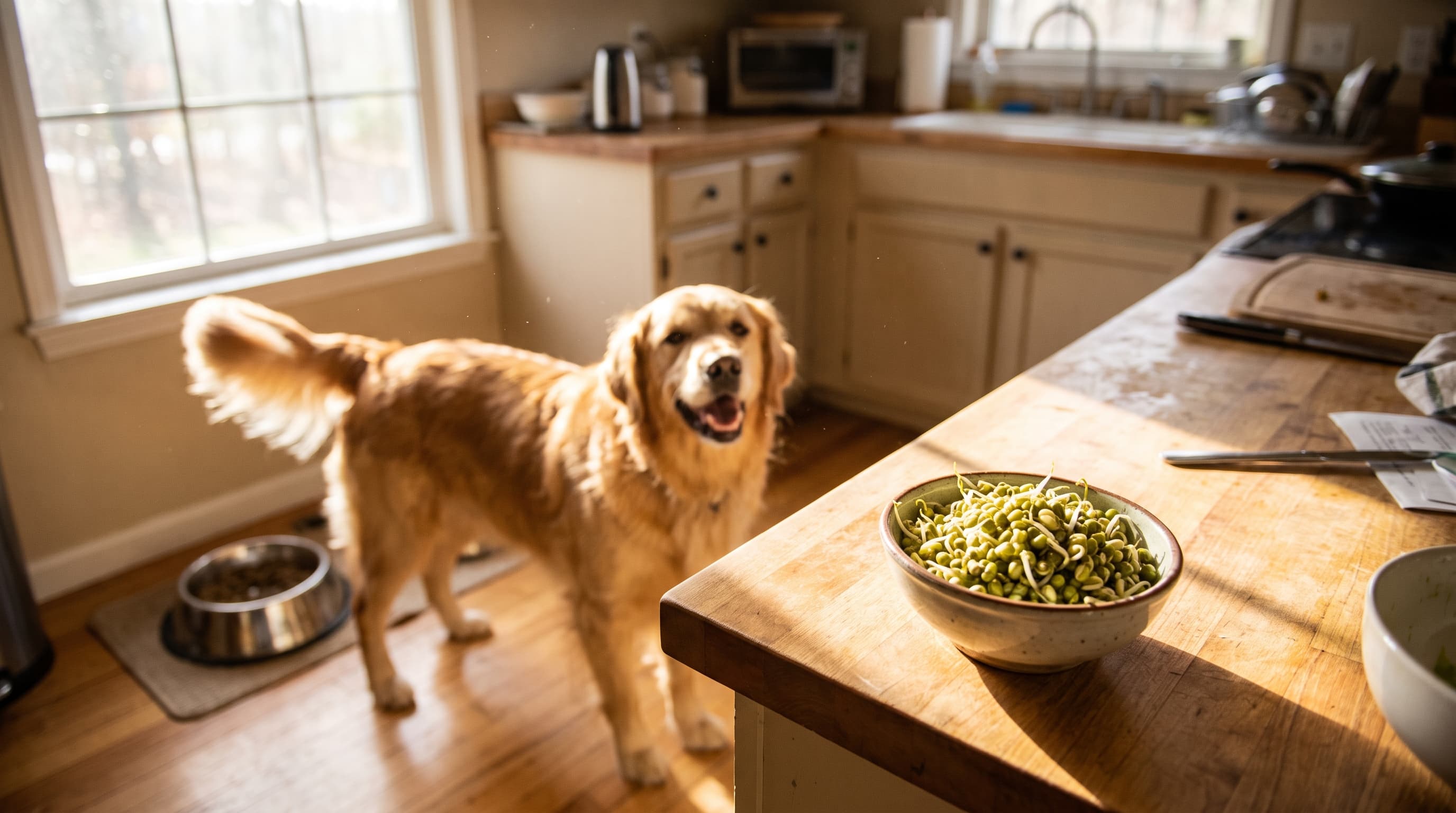
Mung bean sprouts—the crisp white sprouts with pale yellow heads used in stir-fries and spring rolls—are non-toxic and safe for most dogs in small amounts. Veterinary nutrition guidance supports feeding them in moderation, with a strong preference for cooking them first to reduce the risk of foodborne bacteria (Dogster).
The bigger caveat is which sprout. Mung bean sprouts are the dog-friendly choice. Alfalfa sprouts deserve more caution: they contain phytoestrogens that can be troublesome for dogs with endocrine (hormone) issues, have mild anticoagulant properties that are risky for anemic dogs, and carry saponins that can upset digestion (Dogster). When in doubt, reach for mung.
Health benefits of mung bean sprouts for dogs
Sprouting boosts the nutrient availability of beans, and mung sprouts pack a surprising amount of nutrition into very few calories:
- Plant protein and amino acids. Mung beans are a solid plant-based protein source, supplying amino acids such as leucine and lysine that help build and maintain muscle, bone, and skin.
- Vitamins and minerals. Sprouts provide vitamin C for antioxidant support, plus calcium, manganese, and iron (Dogster).
- Fiber for digestion. The fiber in sprouts can support healthy digestion when portions are kept reasonable.
- Beneficial plant compounds. Mung beans contain polyphenols, polysaccharides, and peptides with antioxidant and anti-inflammatory properties (DogCancer.com).
As with any vegetable, these are supporting extras. The American Kennel Club stresses that vegetables should supplement a complete, balanced diet rather than replace it (American Kennel Club).
The risks: raw sprouts, gas, and seasonings
Bacterial contamination
The single most important reason to cook sprouts is food safety. Sprouts are grown in warm, moist conditions—an ideal environment for bacteria such as Salmonella, E. coli, and Listeria, and sometimes parasites (Dogster). This is why even sources focused on canine nutrition recommend cooked sprouts and warn against raw ones (DogCancer.com). Blanching in boiling water for at least 30 seconds knocks back much of that bacterial load.
Gas and digestive upset
Sprouts are high in fiber, and too many—especially raw—can leave a dog gassy or with a loose stool. Brussels sprouts are famous for this same effect, and the AKC notes they can cause gas in dogs (American Kennel Club). Introduce sprouts slowly and in small amounts.
Seasonings and add-ins
Restaurant and home stir-fry sprouts are usually cooked with garlic, onion, soy sauce, or oil. Garlic and onions belong to the Allium family and damage canine red blood cells, potentially causing anemia (Pet Poison Helpline). The ASPCA lists onions, garlic, and excess salt among the people foods to keep away from dogs (ASPCA). Always cook your dog's portion plain, before you season your own.
Alfalfa vs. mung again
It bears repeating: choose mung bean sprouts over alfalfa sprouts. The phytoestrogens and saponins in alfalfa make it a poorer choice, particularly for dogs with hormone-related conditions or anemia (Dogster).
How to prepare bean sprouts for your dog
A dog-safe serving is quick to make:
- Pick fresh mung sprouts. They should snap cleanly and be free of slime, mustiness, or discoloration.
- Rinse well. Wash under running water to remove surface debris.
- Cook them. Blanch, steam, or lightly boil the sprouts—no oil, salt, garlic, or onion.
- Cool and chop. Let them cool and cut into short pieces so they mix easily into food and are easy to chew.
- Serve as a topper. Stir a small amount into your dog's regular food or offer a few as a treat.
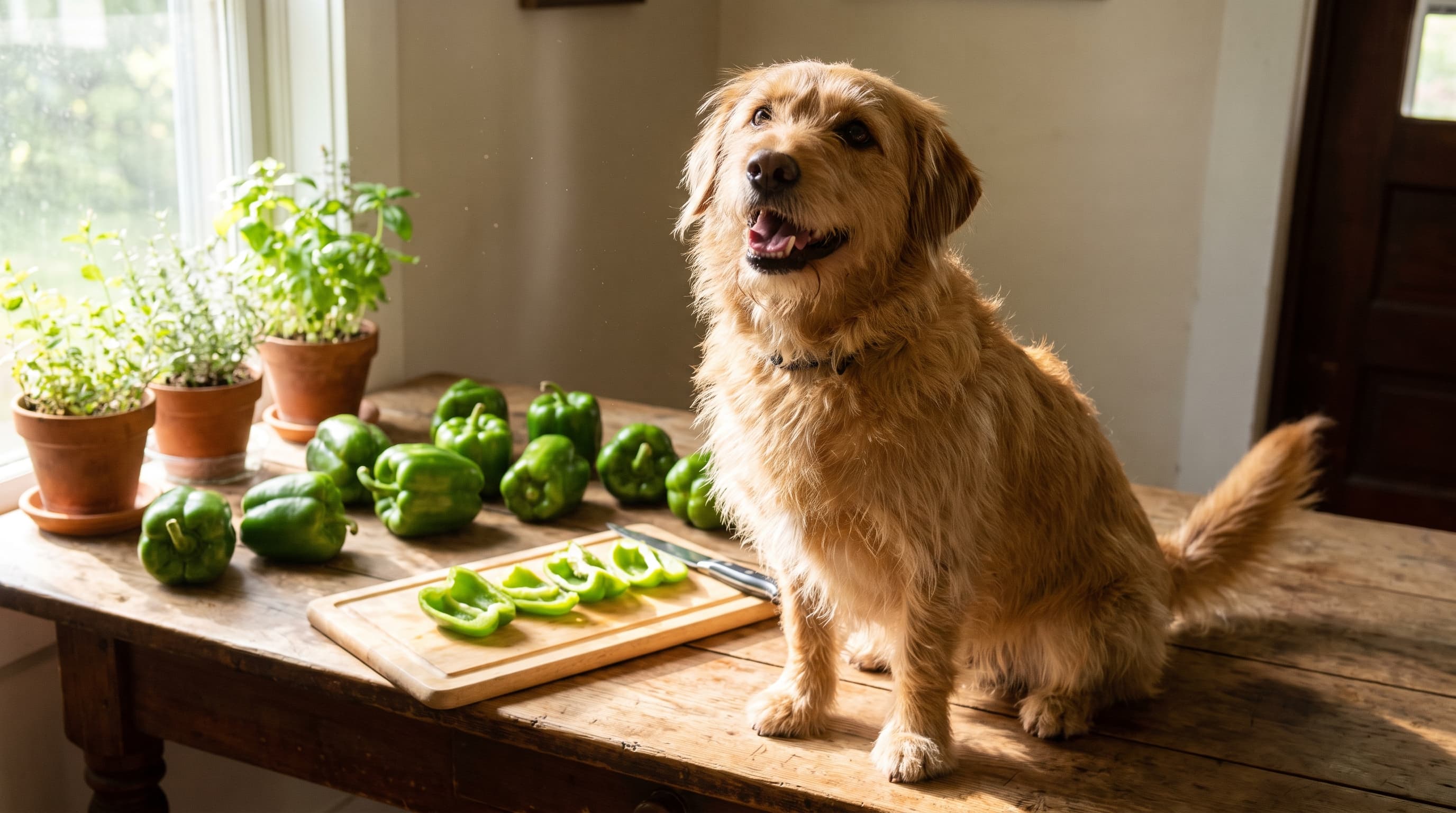
Sprouts pair nicely with other dog-safe vegetables. If you are building a veggie-friendly bowl, see whether dogs can eat brussels sprouts, green peppers, and squash, or browse our list of the healthiest human foods for dogs to round things out.
How many bean sprouts can a dog eat?
Keep sprouts within the standard treat allowance: no more than about 10% of your dog's daily calories, with the rest coming from a complete diet. In practice that means a small spoonful of chopped cooked sprouts for a medium dog, offered occasionally rather than daily. Start with a tiny amount the first time and watch for gas or soft stool before offering more.
Dogs with endocrine disorders, anemia, or sensitive stomachs should get the green light from a veterinarian first—and those dogs should never have alfalfa sprouts.
When to skip sprouts and call your vet
Stop feeding sprouts and check with your veterinarian if your dog develops persistent vomiting, diarrhea, lethargy, or signs of an allergic reaction after eating them. If your dog ate a large helping of raw sprouts, or sprouts cooked with onion or garlic, contact your vet or a pet poison helpline promptly rather than waiting—especially for small dogs, where even modest Allium amounts add up.
Frequently asked questions
Can dogs eat raw bean sprouts?
It is safer not to. Raw sprouts can carry Salmonella, E. coli, and Listeria because of how they are grown. Lightly cooking or blanching sprouts reduces that risk considerably.
Are mung bean sprouts or alfalfa sprouts better for dogs?
Mung bean sprouts are the better choice. Alfalfa sprouts contain phytoestrogens and saponins that can be problematic, especially for dogs with hormone issues or anemia.
Do bean sprouts give dogs gas?
They can. Sprouts are high in fiber, so too many—particularly raw—may cause gas or loose stool. Introduce them slowly in small amounts.
Can I add bean sprouts to homemade dog food?
Yes, in moderation. Cook them plain, chop them small, and treat them as one component of an already complete diet rather than a main ingredient.
Can puppies eat bean sprouts?
A tiny amount of plain cooked mung sprouts is generally fine for healthy puppies, but their stomachs are more sensitive, so introduce new foods cautiously and ask your veterinarian first.
My dog ate stir-fried bean sprouts with garlic—is that dangerous?
Garlic and onions can damage red blood cells and cause anemia. Call your veterinarian or a pet poison helpline with your dog's weight and the amount eaten, even if your dog seems normal.
This article is for general information only and is not a substitute for veterinary advice. Talk with your veterinarian before adding any new food to your dog's diet, especially if your dog has a health condition.
The bottom line
Plain, cooked mung bean sprouts are a safe, nutritious occasional topper for most healthy dogs—rich in plant protein, fiber, and vitamins. Cook them to tame bacteria, skip the garlic and onion, choose mung over alfalfa, and keep portions small.
Want more simple, vet-informed answers about what your dog can and can't eat? Subscribe to the Daily Wag newsletter for practical feeding tips, food safety guides, and a daily dose of dog delivered to your inbox.