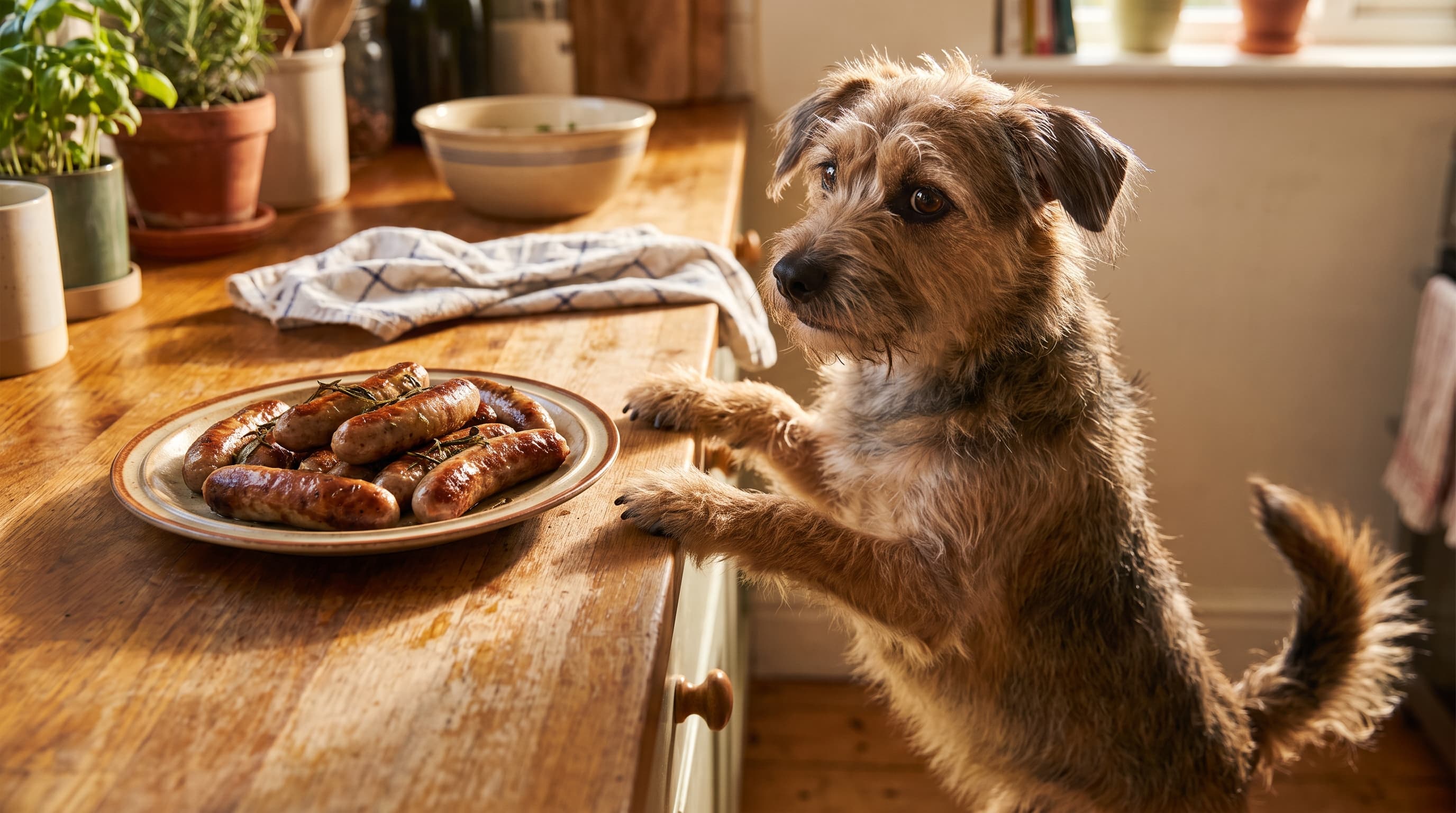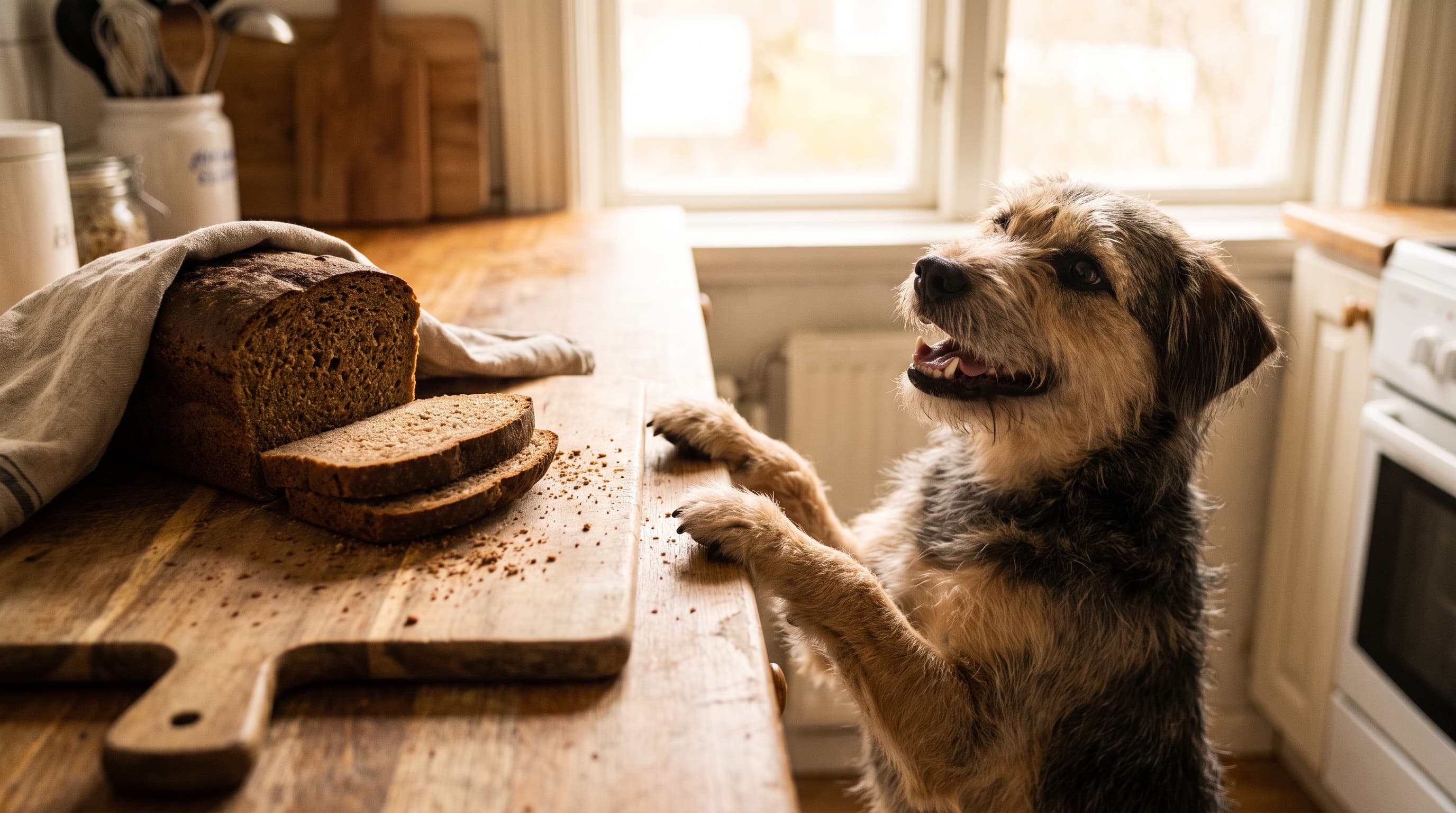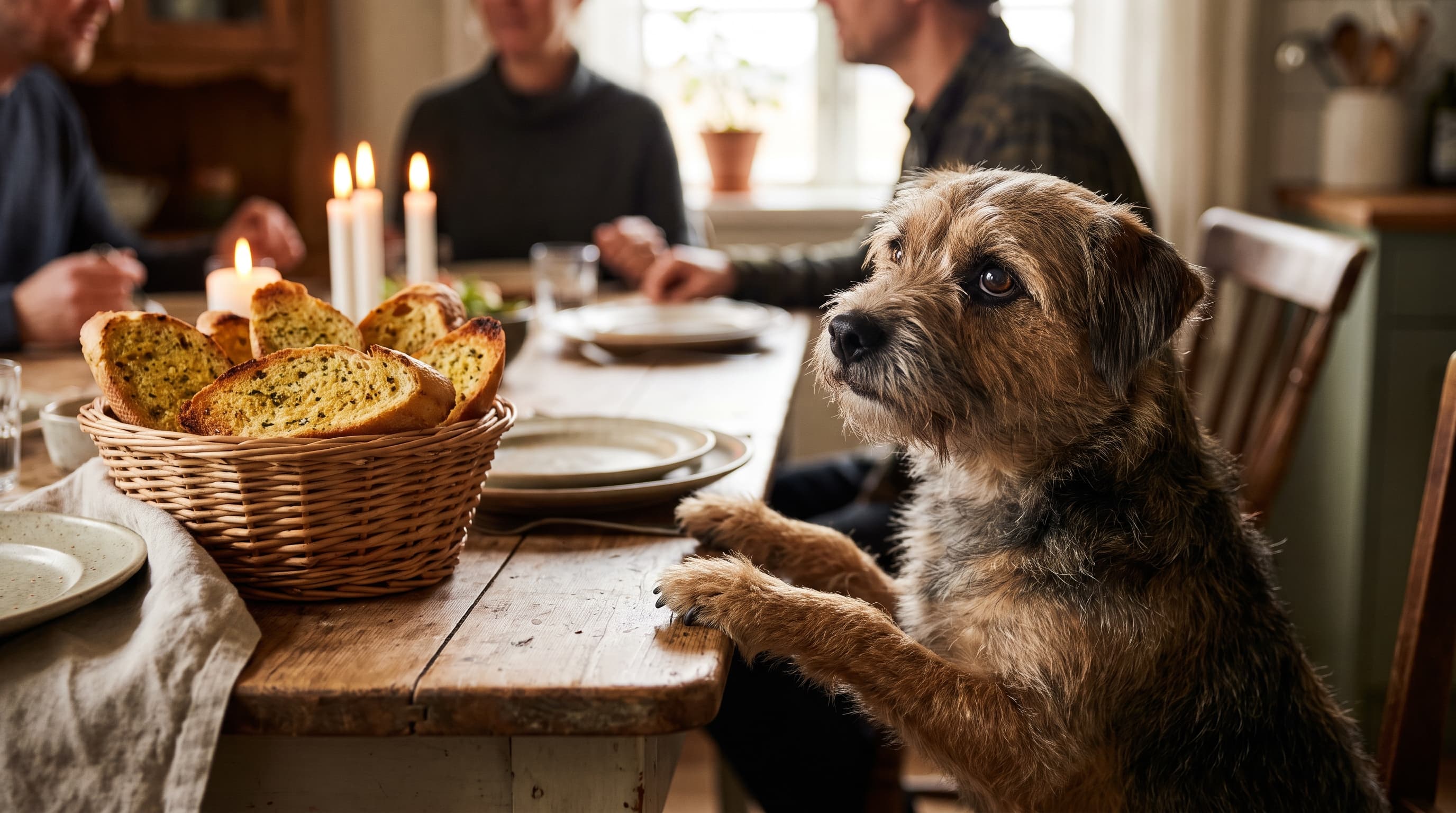

No — dogs should not eat garlic bread. Garlic is toxic to dogs because it belongs to the Allium family and can damage their red blood cells, and garlic bread piles on butter, oil, salt, and sometimes cheese too. A single stray bite is unlikely to cause an emergency, but garlic bread is never a safe or worthwhile treat for your dog.
It's an easy mistake to make: you're sharing a pizza night or an Italian dinner, your dog gives you the look, and a warm, buttery slice seems harmless. Unfortunately, the very ingredient that makes garlic bread delicious is one veterinarians warn against. Below, we explain exactly why garlic is a problem, what the other ingredients add to the risk, how much is dangerous, and what to do if your dog sneaks a piece.
Can Dogs Eat Garlic Bread? The Short Answer
Garlic bread combines several things dogs shouldn't eat, and garlic is the headline concern. According to the American Kennel Club, garlic is toxic to dogs in any form — fresh, cooked, powdered, or baked into bread. That means garlic bread isn't a "sometimes" treat the way plain bread might be; it's a food to keep off your dog's menu entirely. The good news is that plain bread on its own is generally safe in moderation, so the issue is the toppings, not the loaf itself.
Why Garlic Is Toxic to Dogs
Garlic, along with onions, chives, and leeks, belongs to the Allium family. As the Pet Poison Helpline explains, all of these plants are poisonous to dogs, cats, and livestock. They contain compounds (organosulfur compounds, including thiosulfates) that dogs can't process the way people can. These compounds can damage the membranes of a dog's red blood cells, potentially leading to a condition called hemolytic anemia, where red blood cells break down faster than the body can replace them.
Gram for gram, PetMD notes that garlic is considered several times more potent than onions in this respect. Signs of a problem can be delayed, sometimes appearing a few days after ingestion, and may include lethargy, weakness, pale gums, rapid breathing, vomiting, diarrhea, or reduced appetite. Because symptoms can lag behind the meal, it's easy to miss the connection — which is exactly why prevention matters. This is general information, not a diagnosis: only your veterinarian can assess your individual dog.
The Other Problems With Garlic Bread
Even setting garlic aside, garlic bread is a nutritional minefield for dogs:
- Butter and oil: The rich fat load can upset a dog's stomach and, in larger amounts, contribute to pancreatitis — a painful and potentially serious inflammation of the pancreas.
- Salt: Garlic bread is often heavily salted, and too much salt is its own hazard. Our deep dive on dogs and salt covers why.
- Cheese: Cheesy garlic bread adds extra fat, and many dogs are lactose intolerant. See our guide on whether dogs can eat cheese.
- Herbs and seasonings: Some blends include onion powder — another toxic Allium — plus herbs that add nothing beneficial for a dog.
In other words, garlic bread stacks a toxic ingredient on top of a fatty, salty base. It's the opposite of a dog-friendly snack.
How Much Garlic Bread Is Dangerous for a Dog?
There's no perfectly precise "safe" threshold, and the answer depends on your dog's size, the recipe, and how much garlic it actually contains. Toxicologists often cite that problems become more likely as a dog consumes garlic approaching roughly 15 to 30 grams per kilogram of body weight, but concerning effects can occur below that, especially with repeated exposure. The practical takeaway: a small dog is at greater risk from the same amount than a large dog, and repeated small nibbles can add up over time. Rather than trying to calculate a "safe" bite, treat all garlic bread as off-limits — that way there's no math to get wrong.
But I've Seen Garlic in Dog Supplements — Isn't It Good for Dogs?
This is one of the most confusing parts of the topic. You may have read that garlic has health benefits, or seen it listed in tiny amounts in some flea-repellent or "immune support" products. The claims are controversial and not well supported by strong evidence, and the key distinction is dose and form. A minuscule, carefully controlled quantity in a commercial product is a very different thing from the garlic packed into a slice of garlic bread. Most veterinary toxicology sources treat garlic as a food to avoid feeding directly, precisely because it's hard to know how much a dog is getting and because individual sensitivity varies. If you're ever tempted by garlic's supposed benefits, talk to your veterinarian first rather than experimenting at the dinner table — and never use garlic bread as the delivery method.
What to Do If Your Dog Eats Garlic Bread
Don't panic if your dog grabs a single small piece — a one-off nibble by a medium or large dog is unlikely to cause serious harm, though it may lead to a mild stomach upset. Still, it's smart to act:
- Note what and how much: Estimate how much your dog ate, how much garlic was in it, and when.
- Call your veterinarian or an animal poison control line: They can advise based on your dog's size and the amount eaten. The ASPCA lists garlic and onion among the people foods to avoid for exactly this reason.
- Watch for symptoms over several days: Lethargy, pale gums, vomiting, diarrhea, weakness, or dark urine warrant prompt veterinary attention.
- Don't induce vomiting on your own: Only do so if a veterinary professional specifically instructs you to.
When in doubt, call — it's always better to check with a professional than to wait and see. If your dog ate a large amount, or is small, elderly, or already unwell, contact your vet right away.
Safe Alternatives: What Bread and Treats Dogs Can Have
If you want to share a bready snack, a small piece of plain, fully baked bread with no garlic, onion, butter, or heavy salt is generally fine for most healthy dogs in moderation, as the AKC confirms. For more on that, see our articles on whether dogs can eat bread and sourdough specifically — sourdough dough, in particular, has its own risks. Better yet, reach for dog-safe options: small pieces of plain cooked carrot, apple (no seeds), or a purpose-made dog treat give you something to share without the worry. Wondering about other table favorites? Our guide on whether dogs can eat pizza tackles another shared-dinner temptation.
Frequently Asked Questions
Can dogs eat a small piece of garlic bread?
It's best avoided. A single small nibble by a larger dog is unlikely to cause an emergency, but garlic is toxic to dogs and garlic bread also contains butter, salt, and sometimes cheese — so there's no safe, beneficial amount to offer.
What happens if a dog eats garlic bread?
A small amount may cause mild stomach upset. Larger or repeated amounts can lead to garlic toxicity, which may cause lethargy, pale gums, vomiting, weakness, and in serious cases anemia. Symptoms can be delayed by a few days, so monitor your dog and call your vet if you're concerned.
Is garlic or the butter and salt the bigger problem?
Garlic is the primary toxic concern because it can damage red blood cells, but the butter, oil, and salt add real risks of stomach upset and, with fatty amounts, pancreatitis. Together they make garlic bread a poor choice on multiple fronts.
How much garlic is toxic to dogs?
There's no exact safe amount, and small dogs are more vulnerable than large ones. Because even modest or repeated exposure can be risky, the safest approach is to keep all garlic and garlic bread away from your dog entirely.
Is garlic powder worse than fresh garlic for dogs?
Concentrated forms like garlic powder and dehydrated garlic can be even more potent by weight than fresh cloves, because the water has been removed. Garlic bread and seasoning blends often use powder, so a small amount of topping can pack more garlic than it appears. All forms are best avoided.
Can puppies eat garlic bread?
No. Puppies are smaller and more vulnerable to garlic's effects than adult dogs, and their developing systems tolerate fatty, salty foods poorly. Keep garlic bread and all garlic-containing foods well away from puppies, and stick to age-appropriate puppy food and treats.
My dog ate garlic bread and seems fine — should I still call the vet?
If it was a tiny amount and your dog is a healthy adult, watch closely for several days. If your dog is small, young, senior, or unwell, ate a large amount, or shows any symptoms, call your veterinarian or an animal poison control line promptly. When unsure, always check with a professional.
Keeping your pup safe starts with knowing what's on the "no" list. For clear, vet-informed answers to more "can my dog eat this?" questions, subscribe to the Daily Wag newsletter and get practical dog-care guidance delivered daily.