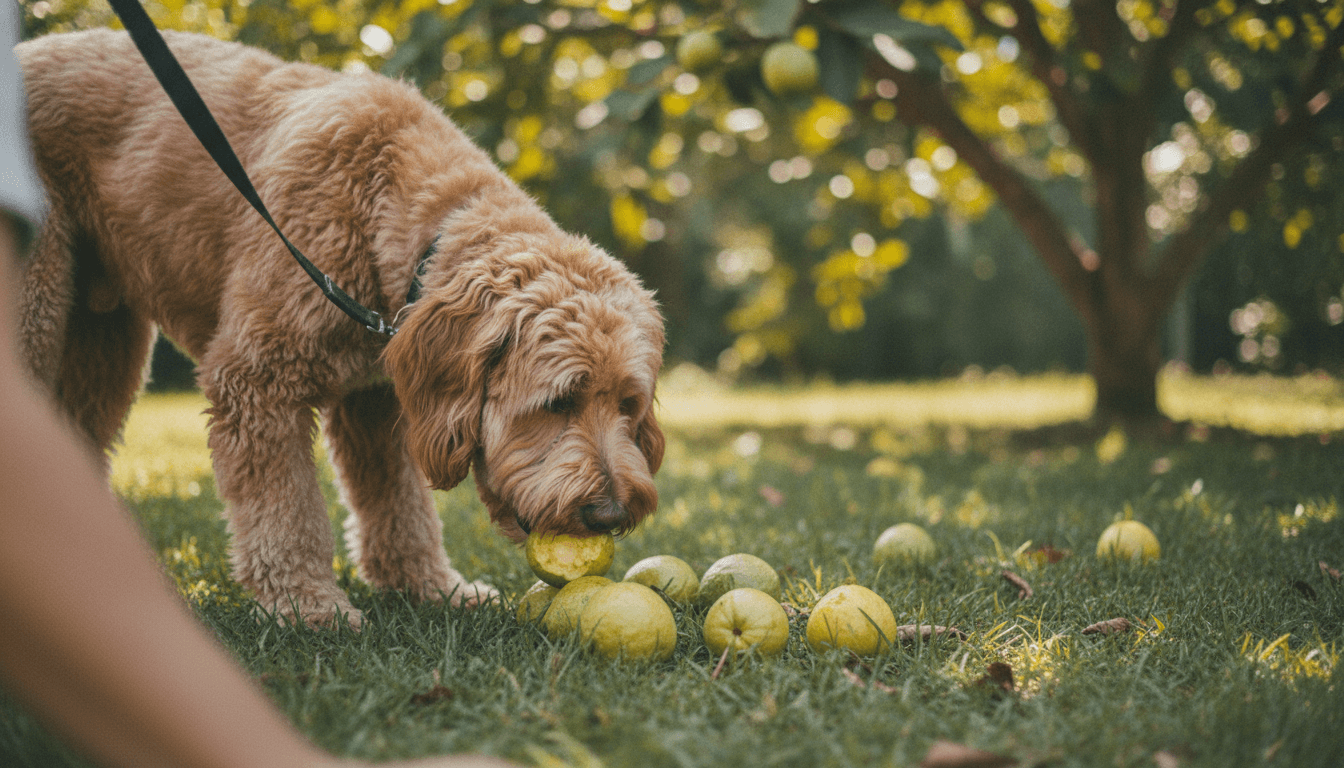

Yes, dogs can eat guava in moderation. The ripe flesh is a safe, vitamin-rich treat when you remove the seeds and rind first and serve small amounts. Guava is high in vitamins C and A, potassium, and fiber, but it's also high in natural sugar, so it should be an occasional snack — not a daily habit. Never let your dog eat guava leaves, unripe fruit, or sugary guava paste.
Is Guava Safe for Dogs?
Guava is one of the tropical fruits that earns a "yes, with rules" for dogs. The soft, ripe flesh contains no compounds that are toxic to canines, and many dogs enjoy its sweet, slightly tangy flavor. As the veterinary team behind Dogster puts it, guava is safe for dogs as long as you don't give them too much and you prep it properly first.
The key word is moderation. Guava is nutrient-dense but also sugar-dense, and a dog's digestive system isn't built to process large amounts of fruit. Treats of any kind — guava included — should make up no more than about 10% of your dog's daily calories, with the other 90% coming from a complete, balanced dog food. Within that small window, a few bite-sized pieces of ripe guava can be a genuinely healthy reward.
Health Benefits of Guava for Dogs
Guava punches above its weight nutritionally. A single guava can provide more than double the daily reference intake of vitamin C for a human, according to Healthline, and it delivers a spread of other nutrients that support canine health in small doses:
- Vitamin C: An antioxidant that supports the immune system. Dogs make their own vitamin C, so they don't strictly need it from food, but a little extra doesn't hurt.
- Vitamin A: Supports vision, skin, and coat health.
- Dietary fiber: Promotes healthy digestion and regular bowel movements when fed in small amounts.
- Potassium: Helps support nerve and muscle function.
- Antioxidants like lycopene: Found especially in pink guava, these help fight cell-damaging free radicals.
The American Kennel Club notes that many fruits make great low-calorie training rewards precisely because of nutrients like these — as long as you avoid the toxic ones and keep portions sensible.
The Risks: What to Watch For
Guava's benefits come with a few important caveats. Keep these risks in mind before you share:
- Sugar content: Guava is naturally high in sugar. Too much can cause weight gain over time and is a particular concern for diabetic dogs. Per VCA Animal Hospitals, excess weight is one of the most common and preventable health issues in dogs.
- Seeds and rind: Guava seeds are hard and, eaten in quantity, can be a choking hazard or cause intestinal blockage in small dogs. The tough rind is difficult to digest. Remove both.
- Guava leaves: Keep dogs away from the leaves of the guava plant, which can cause stomach upset.
- Digestive upset: Even safe fruit, eaten in excess, can trigger diarrhea, gas, or cramping. Introduce guava slowly and in small amounts.
- Guava paste and processed products: Guava paste, jelly, juice, and candy are loaded with added sugar and sometimes xylitol, and should never be given to dogs.
The ASPCA maintains a broader list of human foods to avoid, and the recurring lesson is that processed, sugary versions of otherwise-safe foods are where dogs get into trouble.
How to Safely Feed Guava to Your Dog
Preparation makes all the difference. Follow these steps:
- Choose ripe fruit: Pick guava that's ripe and soft; unripe guava is harder to digest.
- Wash it well: Rinse to remove any pesticide residue from the skin.
- Peel off the rind: Remove the tough outer skin entirely.
- Scoop out the seeds: Remove all seeds before serving.
- Cut into small pieces: Bite-sized chunks reduce choking risk and make portioning easy.
- Start small: Offer one or two small pieces the first time and watch for any digestive reaction over the next day.
A good rule of thumb: a small dog should get no more than a piece or two, while a large dog can handle a few small chunks. When in doubt, less is more.
How Much Guava Can a Dog Eat?
Because guava is sugary, portion control is everything. Treat it as an occasional snack, offered once or twice a week rather than daily. For a toy breed, a single small cube is plenty; for a large breed, a small handful of pieces is the ceiling. If your dog has diabetes, is overweight, or has a sensitive stomach, talk to your veterinarian before adding guava — or skip it in favor of lower-sugar options like green beans or cucumber.
Other Tropical Fruits Dogs Can (and Can't) Eat
Guava is far from the only tropical fruit that's dog-friendly in moderation. If your pup is a fruit fan, you might also explore whether dogs can eat mango, whether dogs can have papaya, and whether dogs can eat coconut — all of which follow the same remove-the-pit-or-rind, keep-it-small playbook. Citrus lovers can check our guide on whether dogs can eat tangerines. For an everyday classic, our tips on safe snacking with apples are a great starting point. As always, avoid grapes, raisins, and any fruit pits, which can be toxic or hazardous.
Signs Your Dog Ate Too Much Guava
If your dog overindulges, watch for soft stool, diarrhea, gas, or mild stomach discomfort over the next 12 to 24 hours. These usually resolve on their own with a little rest and access to fresh water. Contact your veterinarian if symptoms are severe, persist beyond a day, or if your dog swallowed a large amount of seeds or rind and shows signs of discomfort, straining, or vomiting.
Frequently Asked Questions
Can dogs eat guava skin?
It's best to remove the rind. Guava skin is tough and hard for dogs to digest, and it can contribute to stomach upset. Stick to the soft inner flesh.
Are guava seeds bad for dogs?
Guava seeds are hard and can pose a choking hazard or, in quantity, a risk of intestinal blockage in small dogs. Scoop them out before serving.
Can puppies eat guava?
A tiny amount of ripe, seedless, peeled guava is generally fine for an older puppy, but puppies have sensitive stomachs, so introduce it slowly and check with your vet first.
Can dogs eat pink guava?
Yes. Pink guava is safe and actually contains extra antioxidants like lycopene. The same rules apply: remove seeds and rind, and keep portions small.
Is guava paste safe for dogs?
No. Guava paste, jelly, and candy are packed with added sugar and sometimes contain xylitol, which is toxic to dogs. Only fresh, prepared guava flesh is appropriate.
The Bottom Line
Guava is a safe, nutrient-rich treat for dogs when you serve it right: ripe flesh only, seeds and rind removed, portions small, and frequency occasional. It offers a nice dose of vitamins and fiber, but its sugar content means it should complement — never replace — a balanced diet. When you stick to fresh fruit and skip the sugary processed versions, guava can be a tropical treat your dog looks forward to.
Hungry for more vet-informed feeding guides? Subscribe to the Daily Wag newsletter for weekly, dog-safe snack tips.