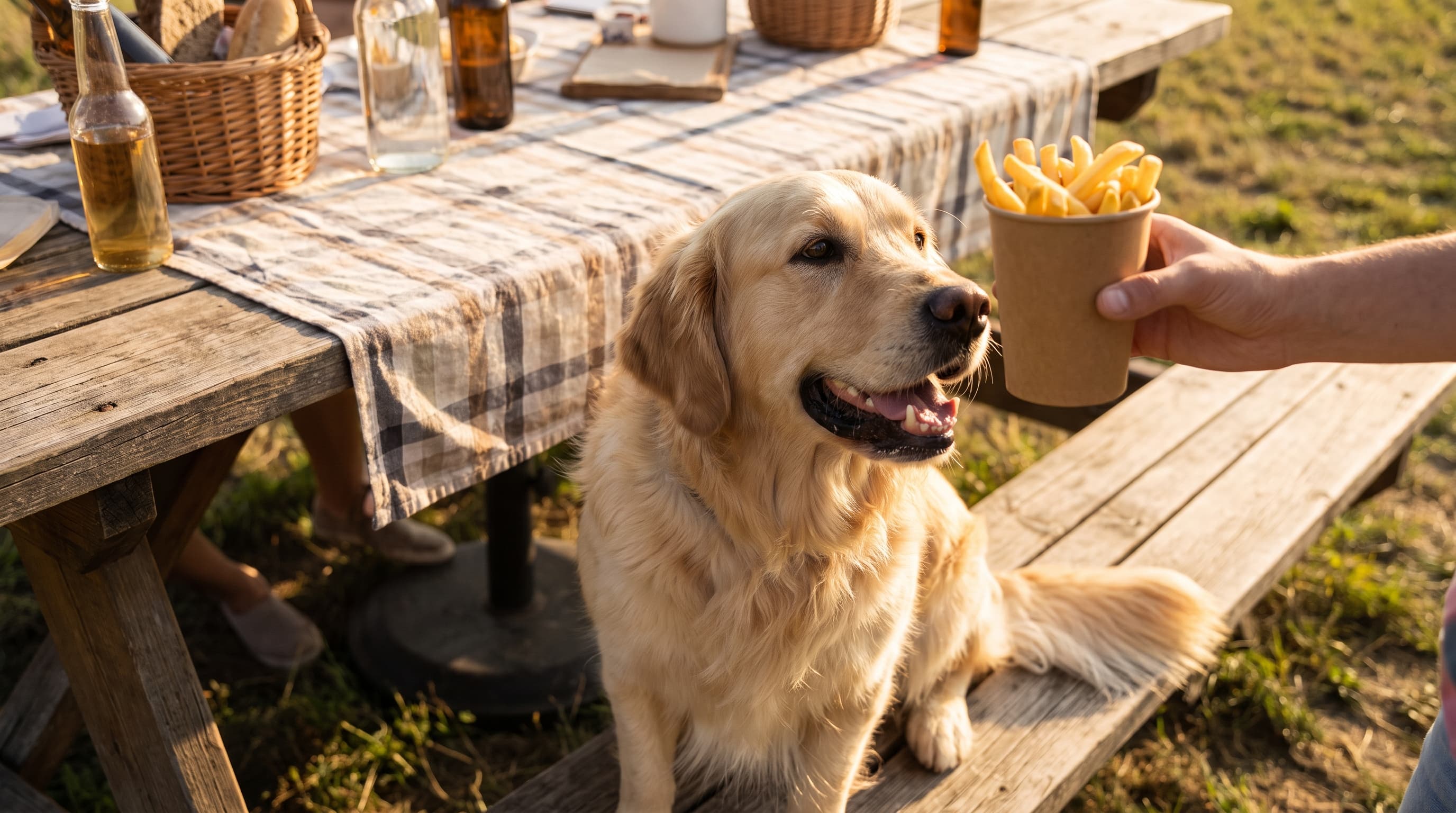

Can Dogs Have French Fries? What Vets Want You to Know Before Sharing
Can dogs have french fries? A single plain fry is unlikely to hurt a healthy adult dog, but french fries are not a safe or healthy treat. They are loaded with fat, salt, and often onion or garlic seasoning—ingredients that can trigger stomach upset, salt toxicity, or even pancreatitis. Skip the drive-thru handout and offer a dog-safe snack instead.
Are French Fries Toxic to Dogs?
Plain potato itself is not toxic to dogs. Cooked white potato is actually a common ingredient in many commercial dog foods. The problem with french fries is not the potato—it is everything that happens to that potato on its way to your plate. Frying soaks the potato in oil, restaurants and frozen brands dust it heavily with salt, and many recipes add garlic powder, onion powder, or other seasonings that are genuinely dangerous for dogs.
So while your dog will not be poisoned by the potato, a fry is essentially a delivery vehicle for three things dogs should not eat much of: fat, sodium, and allium seasonings. According to the American Kennel Club, plain cooked potato is fine in small amounts, but it should never be fried or served with butter, salt, or toppings.
Why French Fries Are Bad for Dogs
The main issues come down to how fries are made and what is on them. PetMD notes that the high-fat, high-sodium content of fries can make your dog sick and is best avoided altogether. Here is what each ingredient does:
- Fat and oil: Fries are cooked in oil, and a sudden hit of fatty food can inflame the pancreas. This is a leading trigger for pancreatitis, a painful and sometimes serious condition.
- Salt: Fries are usually heavily salted. Too much sodium at once can cause vomiting, diarrhea, excessive thirst, and in extreme cases neurological signs.
- Seasonings: Onion and garlic powder are common in fry seasoning and curly fries. Both belong to the allium family and can damage a dog's red blood cells over time.
- Empty calories: Even without seasoning, fries offer little nutrition and add calories that can push a dog toward obesity.
How Much Salt Is Too Much for a Dog?
A little salt is a normal part of any diet, but the amount packed onto restaurant fries is far more than a dog needs. Pet Poison Helpline warns that an overdose of salt can produce gastrointestinal distress such as vomiting and diarrhea, along with neurological signs like a stumbling gait, disorientation, tremors, and in severe cases seizures. Small dogs are especially vulnerable because it takes far less salt to affect a ten-pound dog than a seventy-pound one. If you want a deeper look at how sodium affects dogs, our guide to the truth about dogs and consuming salt breaks it down.
The Real Danger: Fatty Foods and Pancreatitis
Of all the risks, pancreatitis is the one that sends dogs to the emergency vet. The pancreas helps digest food, and a rich, fatty meal can overload it and cause painful inflammation. VCA Animal Hospitals explains that pancreatitis may be triggered by a fatty meal, though it can also occur on its own. Signs include vomiting, a hunched posture, loss of appetite, and lethargy. A dog that has raided a bag of fast food and then seems unwell should be seen by a veterinarian promptly. Dogs with a history of pancreatitis or those that are overweight are at higher risk and should never have greasy human food.
What About Sweet Potato Fries or Homemade Fries?
Sweet potato is a nutritious vegetable for dogs and appears in many quality dog foods and treats. But sweet potato fries carry the same problems as regular fries once they are deep-fried and salted. If you want to share the flavor safely, bake plain sweet potato or regular potato with no oil, salt, or seasoning, and cut it into bite-sized pieces. Better yet, dehydrate thin slices into chewy, single-ingredient treats. Homemade and plain is always the safer route than anything that has been fried.
My Dog Ate French Fries—What Should I Do?
Do not panic if your dog snagged a fry or two. For most healthy adult dogs, a small amount will pass without incident. Offer fresh water and watch for any stomach upset over the next 24 hours. Call your veterinarian if your dog:
- Ate a large quantity, especially seasoned or curly fries with onion and garlic
- Is very small, a puppy, senior, or has existing health conditions
- Vomits repeatedly, has diarrhea, seems bloated, or is unusually tired
- Shows signs of a hunched back, whining, or abdominal pain
When in doubt, your vet or a pet poison hotline can advise based on your dog's size and how much they ate. It is always better to make a quick call than to wait and see.
Better Snacks to Share Instead of Fries
The good news is that plenty of foods satisfy that urge to share without the risks. The ASPCA keeps a helpful list of foods to avoid, and our roundup of the healthiest human foods for dogs is a great starting point. Try these instead:
- Baked, unseasoned potato or sweet potato cut into cubes
- Carrot sticks or green beans, raw or steamed
- Apple slices with the seeds and core removed
- Plain cooked pumpkin
- A single-ingredient commercial dog treat
And if you were also wondering about other tempting takeout, our take on whether dogs can eat pizza covers another food best kept off the dog menu.
Watch Out for Dips, Ketchup, and Toppings
Fries rarely travel alone. The condiments and toppings that come with them can be as much of a problem as the fries themselves. Ketchup often contains added sugar, salt, and sometimes onion or garlic powder. Cheese sauce is high in fat and can upset lactose-sensitive dogs. Loaded fries topped with bacon, chili, gravy, or chives pile on sodium, fat, and toxic allium ingredients all at once. If your dog is going to sneak a fry, a plain one is far less risky than a fully dressed one—but the safest answer is still none. Never let a dog lick a container of dipping sauce or a plate smeared with seasoned toppings.
Which Dogs Are Most at Risk?
Not every dog reacts the same way to a stray fry. Some are far more vulnerable and should never be given fries at all:
- Small breeds: A few salty fries represent a much larger dose of sodium and fat relative to body weight in a Chihuahua than in a Labrador.
- Puppies and seniors: Developing and aging digestive systems handle grease and salt poorly.
- Dogs with a history of pancreatitis: For these dogs, a fatty snack can trigger a dangerous flare-up.
- Overweight dogs: Extra empty calories work against weight management and joint health.
- Dogs with heart or kidney disease: These conditions make excess sodium especially risky, so low-salt diets are often prescribed.
If your dog falls into any of these groups, be extra vigilant at cookouts, in the car, and anywhere fast food is within snout's reach. It only takes a dropped bag on the kitchen floor for a determined dog to get into trouble.
Building Better Snack Habits
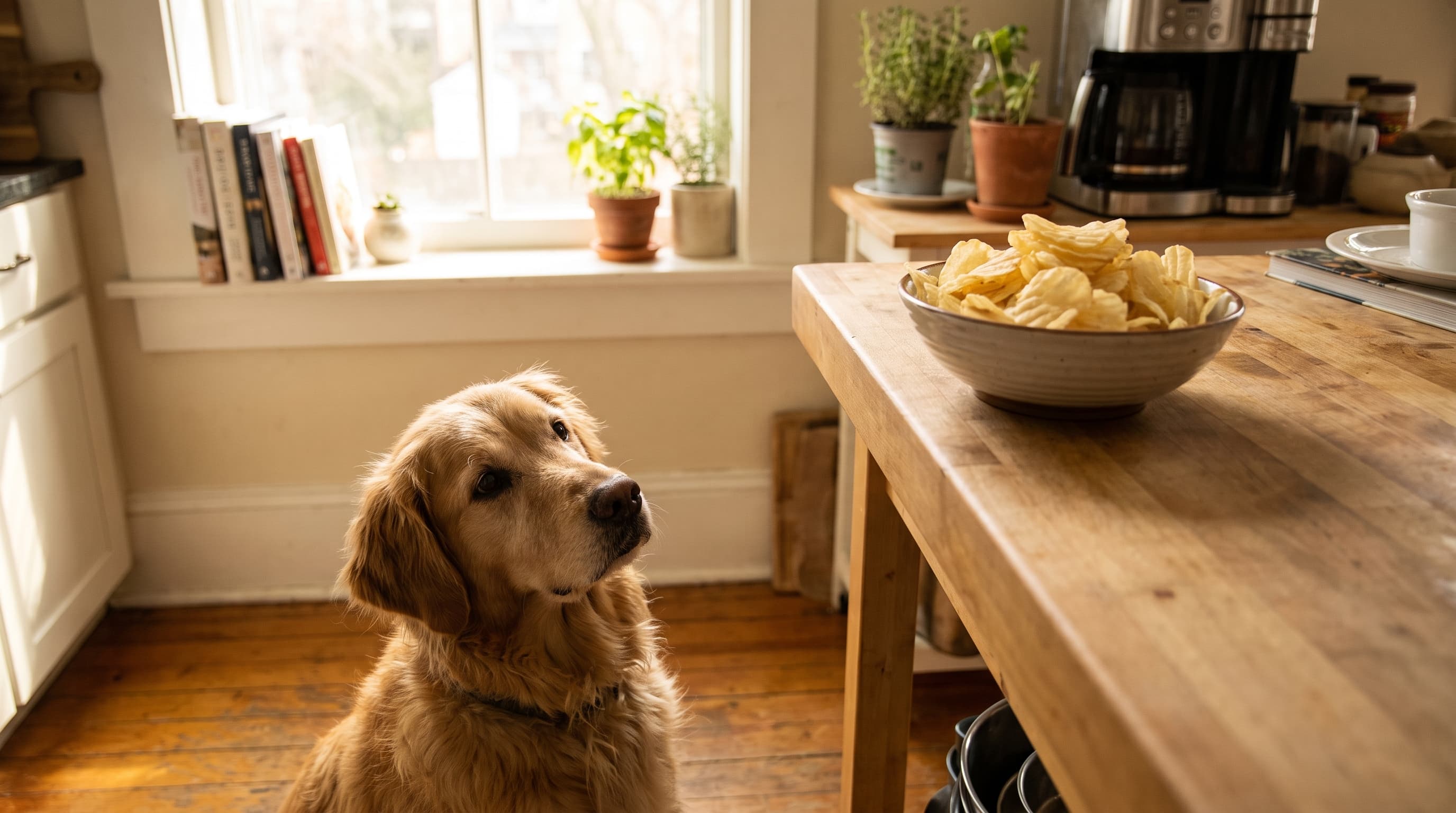
The urge to share is natural—dogs are family, and food is love. The trick is redirecting that impulse toward treats that actually do your dog good. Keep a stash of dog-safe snacks on hand so you are never tempted to reach for a fry: baby carrots in the fridge, a bag of single-ingredient treats in the pantry, or frozen green beans for a crunchy summer reward. Following the ten-percent rule—treats should make up no more than ten percent of daily calories—keeps snacking in check no matter how convincing those puppy-dog eyes get.
Frequently Asked Questions
Can dogs eat one french fry?
One plain, cooled fry is unlikely to harm a healthy adult dog, but it is not good for them. The concern is not a single fry so much as making it a habit, or sharing seasoned fries that contain onion or garlic.
Are McDonald's fries bad for dogs?
Yes. Fast-food fries are high in salt and fat and are cooked in oil, all of which can upset a dog's stomach and, in larger amounts, contribute to pancreatitis. They offer no nutritional benefit and are best avoided.
Can puppies have french fries?
No. Puppies have sensitive, developing digestive systems and are more easily affected by salt and fat. Stick to a complete puppy food and vet-approved treats.
What if my dog ate fries with onion or garlic?
Onion and garlic are toxic to dogs and can damage red blood cells. If your dog ate seasoned or curly fries in any meaningful amount, contact your veterinarian or a pet poison helpline for guidance based on your dog's weight.
Can dogs eat plain baked potato instead?
Yes, in moderation. Plain, cooked, unseasoned potato with no oil, butter, or salt is safe for most dogs as an occasional treat. Avoid raw or green potato, which can be harmful.
The Bottom Line
Can dogs have french fries? Technically a single plain fry will not poison your dog, but fries are salty, greasy, and often seasoned with ingredients that can make dogs sick. There is no nutritional upside and a real downside, so the smart move is to keep the fries for yourself and hand your dog a carrot, a cube of baked sweet potato, or a proper dog treat instead.
Love practical, no-nonsense answers about what your dog can and can't eat? Subscribe to the Daily Wag newsletter for vet-informed tips, treat ideas, and the occasional very good dog delivered straight to your inbox.