
Can Dogs Have Sour Cream? A Vet-Informed Safety Guide
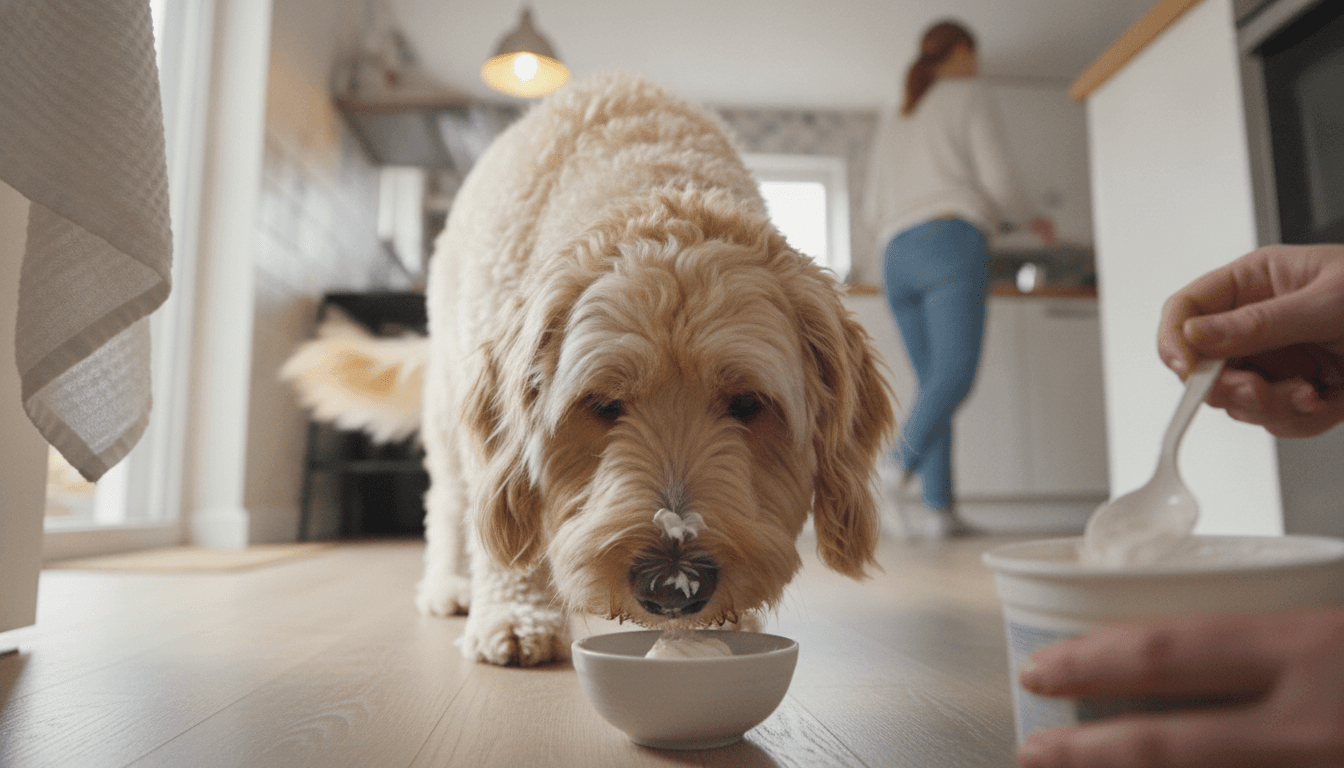
Can dogs have sour cream? In tiny amounts, plain sour cream is not toxic to dogs, so a stray lick off your plate is rarely an emergency. But it is high in fat and contains lactose that many dogs struggle to digest, so it is not a healthy treat and should never become a regular part of their diet.
If your pup just scored a spoonful of the topping from your taco or baked potato, take a breath. Below, we break down exactly what happens inside your dog's digestive system, when a lick is fine, when to call the vet, and the dog-safe swaps that give you the same creamy reward without the risk.
Is Sour Cream Safe for Dogs?
Plain, unflavored sour cream is not on the list of foods that are outright dangerous to dogs the way onions, garlic, chocolate, and xylitol are. That is the good news. The nuance is that "not toxic" is not the same as "good for them." Sour cream is essentially cultured cream — a concentrated dairy fat with a sour tang from lactic-acid bacteria. Two things about that make it a poor fit for the canine gut: the fat load and the milk sugar (lactose).
Most dogs that grab a small taste will be perfectly fine. The concern is not a single lick; it is repeated servings, large amounts, or flavored varieties loaded with ingredients dogs should never eat. Think of sour cream the way you would think of a rich dessert for yourself — occasional and tiny, not a daily habit.
Why Sour Cream Can Upset Your Dog's Stomach
The number one reason sour cream backfires is lactose. Puppies produce plenty of the enzyme lactase to digest their mother's milk, but many adult dogs make far less, leaving them partially or fully lactose intolerant. When undigested lactose reaches the large intestine, it ferments and pulls water into the gut. The American Kennel Club notes that dogs commonly have trouble digesting lactose-containing foods, which can lead to gas, bloating, loose stools, and vomiting.
Sour cream sits in an awkward middle ground. It has less lactose than a glass of whole milk but more than aged cheese, and its high fat content adds a second layer of digestive stress. As the AKC explains in its guidance on dairy for dogs, animals with more severe lactose intolerance can react even to relatively low-lactose dairy. If your dog has ever had an upset stomach after ice cream or milk, assume sour cream will do the same.
The Real Risk: Fat and Pancreatitis
The more serious worry with any high-fat food is pancreatitis — painful inflammation of the pancreas. A single very fatty meal can be enough to trigger an episode in a susceptible dog. VCA Animal Hospitals reports that pancreatitis may be set off by a fatty meal, with warning signs including vomiting, abdominal pain, a hunched posture, fever, and loss of appetite. It can range from mild to life-threatening and sometimes requires hospitalization.
Full-fat sour cream is roughly 20% fat by weight, which is a lot to layer on top of a balanced dog diet. Over time, extra fatty snacks also pile on calories and contribute to obesity — a condition VCA describes as an accumulation of excess body fat that stresses joints and shortens lifespan. Breeds already prone to pancreatitis, such as Miniature Schnauzers, and dogs that are overweight or have a history of digestive trouble should skip sour cream entirely.
How Much Sour Cream Is Too Much?
There is no established "safe serving" of sour cream for dogs because it offers no nutritional benefit to justify a portion size. If you want to let a healthy adult dog taste it, think in terms of a lick or a quarter-teaspoon smear, not a spoonful — and only occasionally. Like all treats and human-food extras, it should fit inside the "10% rule": treats and table foods should make up no more than 10% of your dog's daily calories, with the other 90% coming from a complete, balanced dog food.
Small dogs are affected far faster than large ones, since the same tablespoon represents a much bigger share of their daily intake. For a Chihuahua, a dollop of sour cream is a significant fat bolus; for a Labrador, it is a smaller relative hit but still empty calories. When in doubt, less is always safer, and none is safest of all.
Flavored and "Loaded" Sour Cream: A Hidden Danger
The most dangerous sour cream is not the plain kind at all — it is the seasoned, dip, and topping versions. French onion dip, sour cream with chives, and "loaded" baked-potato blends often contain onion and garlic powder, which are toxic to dogs and can damage red blood cells, according to the ASPCA's list of people foods to avoid. Many light or "diet" varieties are sweetened with sugar substitutes; if the label lists xylitol (sometimes labeled "birch sugar"), it can cause a rapid, dangerous drop in blood sugar and liver damage even in small amounts.
The rule is simple: if the sour cream contains anything beyond cream and cultures, keep it away from your dog. When you scrape a plate, remember that the sour cream on nachos or a burrito usually comes with all those risky companions.
What to Do If Your Dog Ate Sour Cream
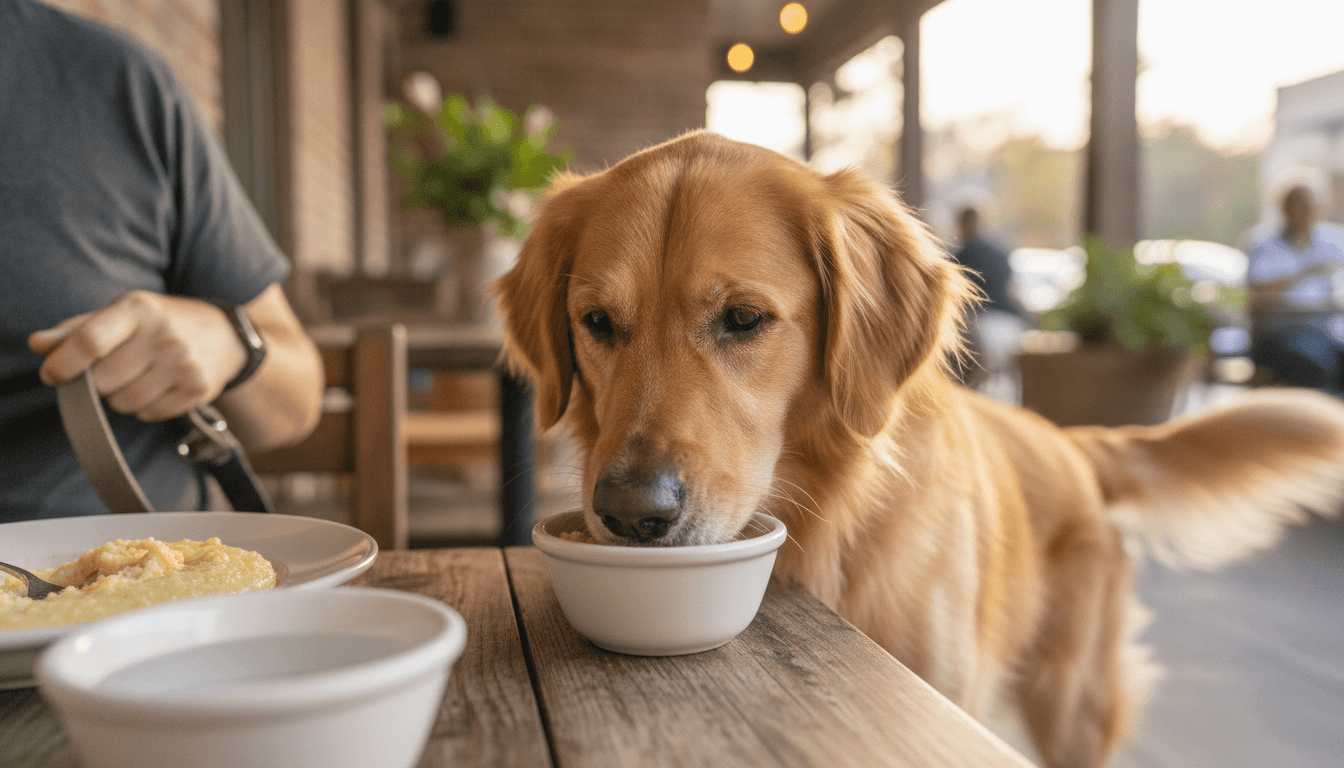
If your dog snuck a lick or even a small spoonful of plain sour cream, do not panic. Most dogs will simply digest it or have mild, temporary loose stool. Offer fresh water, hold off on any other rich foods for the day, and watch for signs of GI upset over the next 24 hours. If they raided a whole container, ate a flavored or onion-based dip, or you see repeated vomiting, diarrhea, lethargy, a painful or bloated belly, or refusal to eat, contact your veterinarian or an emergency clinic promptly.
This article is general information, not a substitute for professional care. Every dog is different, and any dog with a history of pancreatitis, dietary sensitivities, or a known health condition should have all treat decisions cleared with a veterinarian who knows their history.
Better Alternatives to Sour Cream for Dogs
If your goal is a creamy, lickable reward, several options carry less risk. Plain, unsweetened yogurt — especially those with live cultures and no added sugar — is often easier on the gut than sour cream, though lactose-sensitive dogs may still react. A dab of plain, unsalted cottage cheese offers protein with less lactose. For a totally dairy-free treat, try a thin smear of xylitol-free plain peanut butter, plain canned pumpkin, or mashed banana. You can find more ideas in our roundup of the healthiest human foods for dogs, and see how other dairy stacks up in our guides to whether dogs can eat cheese and whether dogs can have yogurt.
Frequently Asked Questions
Can dogs have a little sour cream?
A small lick of plain, unflavored sour cream is unlikely to harm a healthy adult dog, but it provides no real benefit and can cause gas or loose stool in lactose-sensitive dogs. Keep it to a rare, tiny taste rather than a routine treat.
Is sour cream toxic to dogs?
Plain sour cream is not toxic. However, flavored versions containing onion, garlic, or the sweetener xylitol can be dangerous, and the high fat content can trigger stomach upset or pancreatitis in some dogs.
Can puppies eat sour cream?
It is best to avoid giving puppies sour cream. Their digestive systems are still developing and sensitive, and rich, fatty foods can easily cause diarrhea. Stick to a complete puppy food and vet-approved treats.
My dog ate sour cream and has diarrhea — what should I do?
Mild, short-lived diarrhea after a fatty dairy treat is common. Provide fresh water, withhold other rich foods, and monitor for 24 hours. If diarrhea is severe, bloody, or paired with vomiting, lethargy, or belly pain, call your veterinarian.
Can dogs eat sour cream and chives?
No. Chives, along with onions and garlic, belong to the allium family and are toxic to dogs. Sour cream and chives, French onion dip, and similar flavored blends should never be shared with your dog.
Is Greek yogurt better than sour cream for dogs?
Generally, yes. Plain, unsweetened Greek yogurt tends to be lower in lactose and offers some protein, making it a friendlier occasional treat — but sensitive dogs can still react, so introduce any dairy in tiny amounts.
The Bottom Line
Can dogs have sour cream? Technically yes, in tiny amounts of the plain variety, but there is little reason to offer it. The lactose and heavy fat make it a food that ranges from mildly upsetting to genuinely risky, and flavored versions can be outright toxic. When you want to spoil your pup, reach for a vet-approved, dog-safe treat instead — your dog's stomach will thank you.
Want more myth-busting answers to "can my dog eat this?" Subscribe to the Daily Wag newsletter for vet-informed feeding tips, treat ideas, and dog-care guides delivered straight to your inbox.