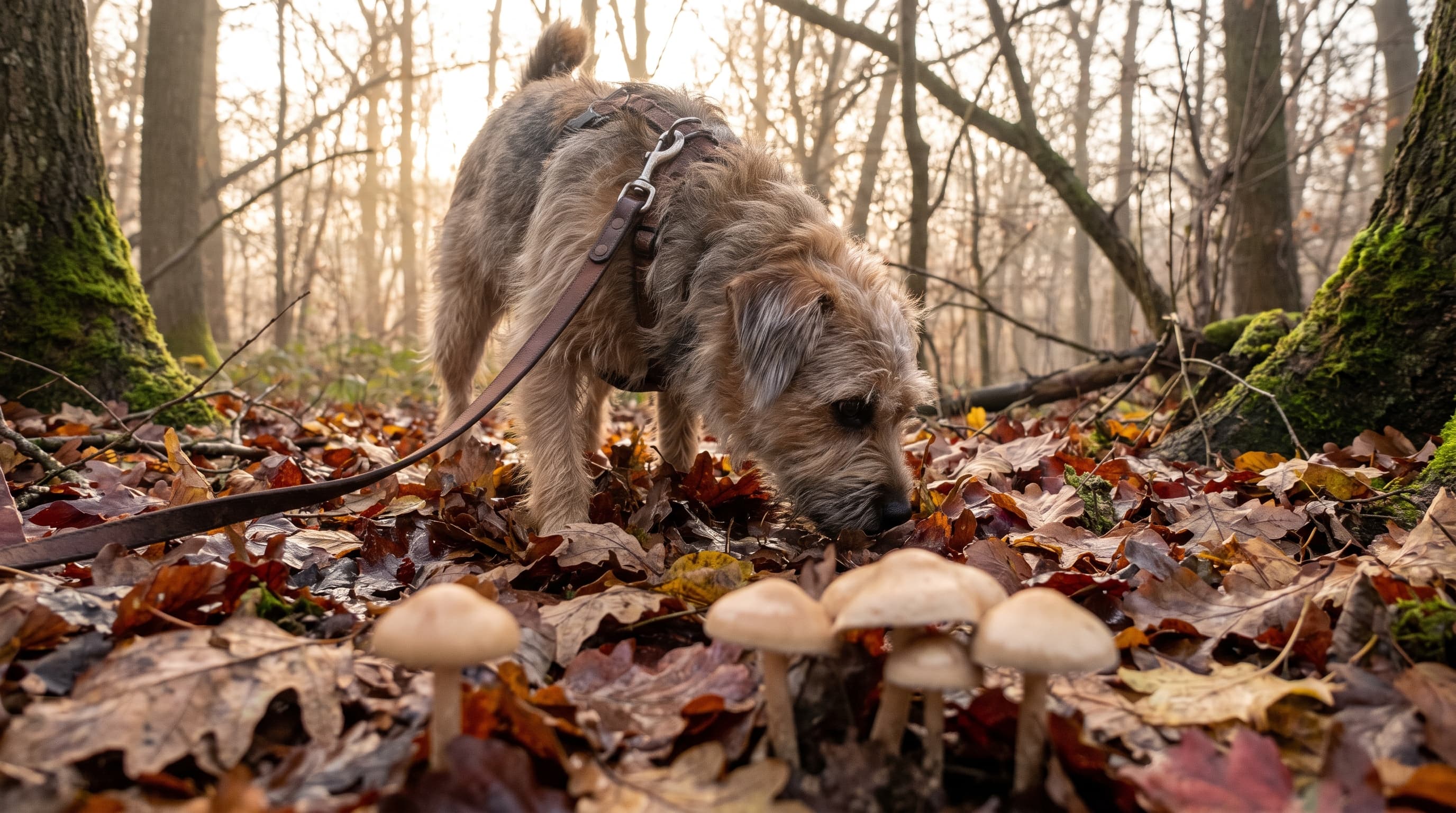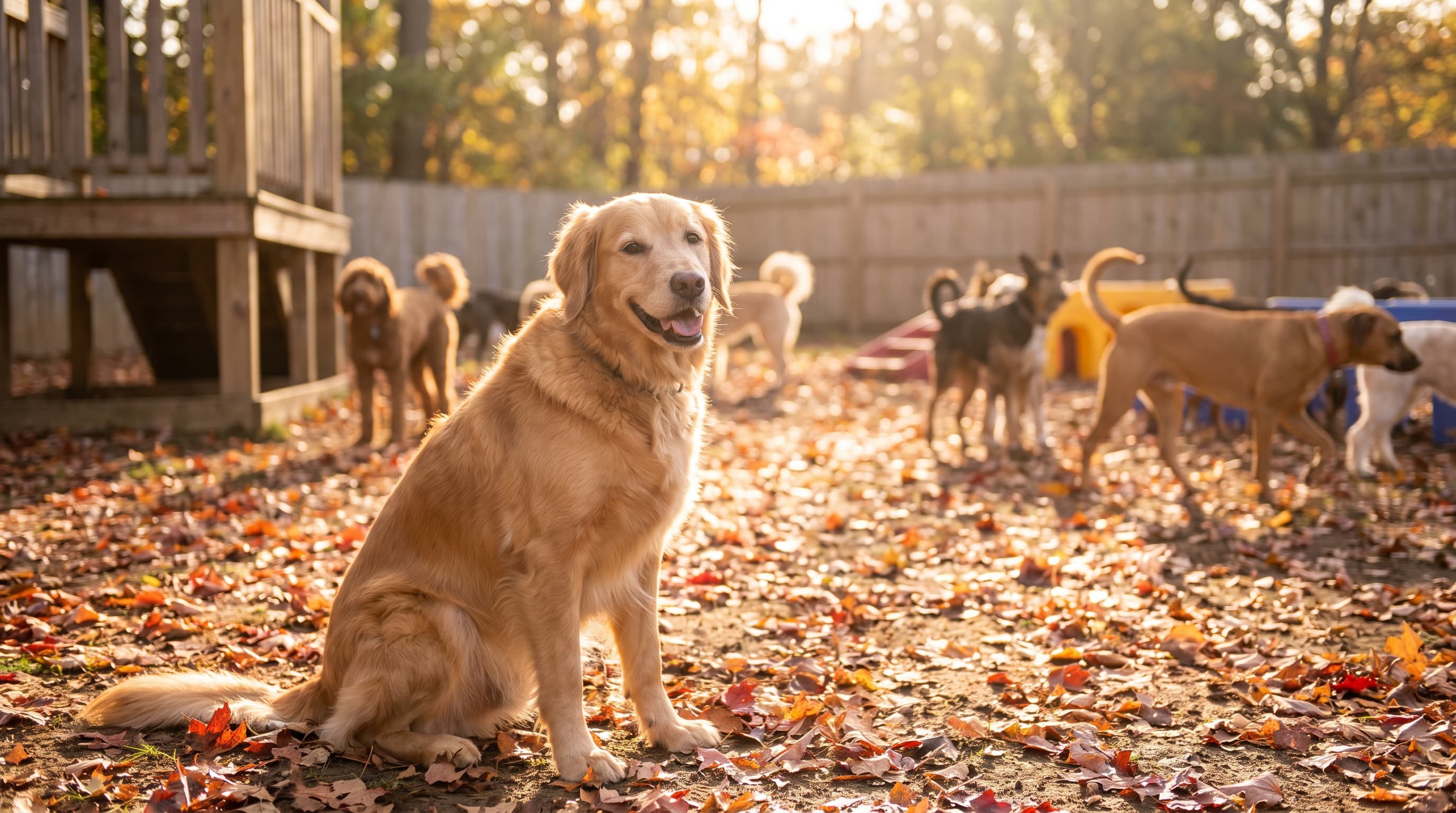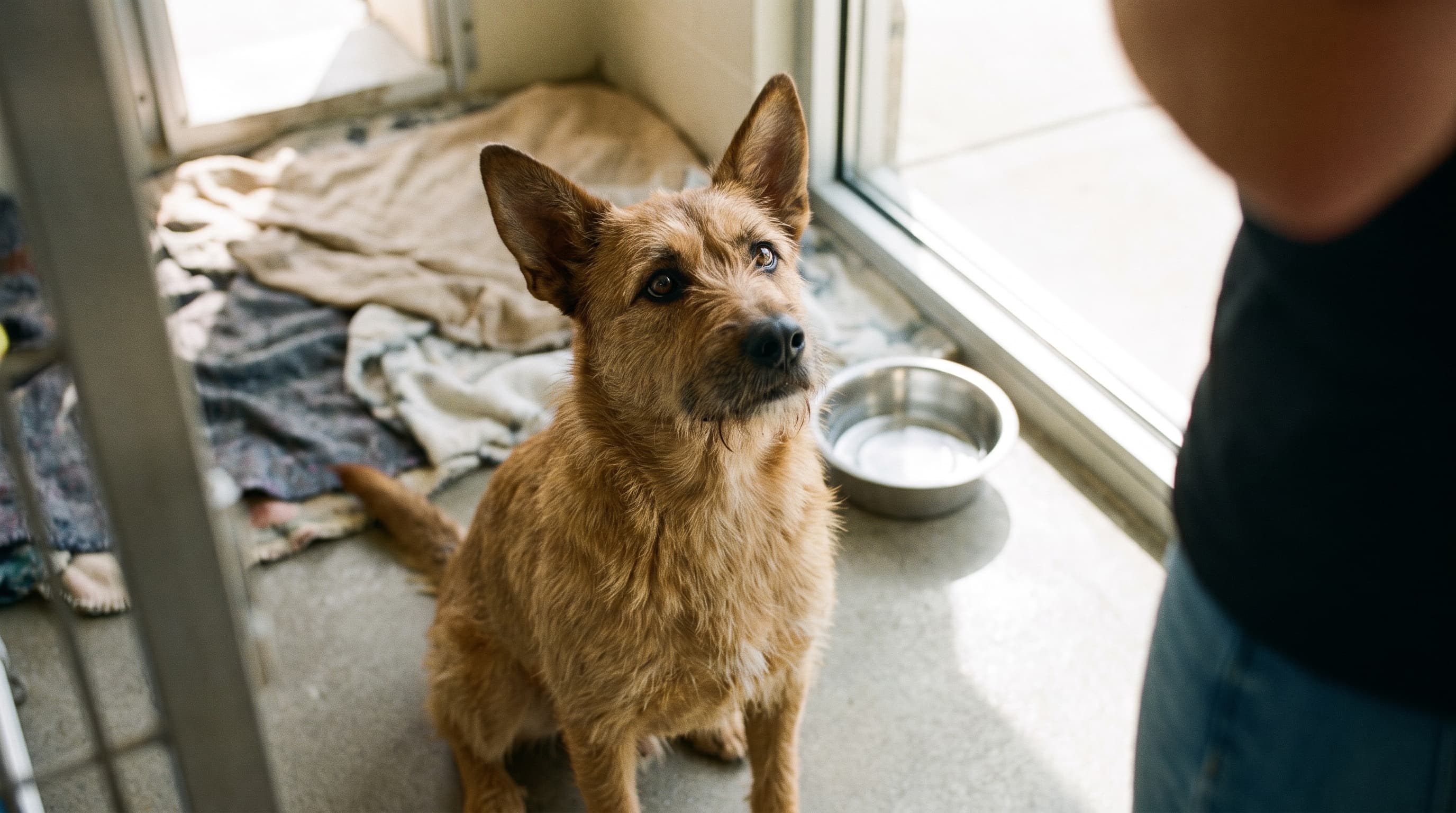

This Saturday, animal shelters from Anchorage to Miami will throw open their doors for the biggest adoption push of the year. Clear the Shelters returns for its 12th year on August 1, and after more than a decade of matchmaking, the numbers are staggering: 1.3 million pets adopted and $5.6 million raised for shelters since 2015. But this year the campaign arrives at a tense moment. Shelters are full, dogs are staying longer than they used to, and the pups having the hardest time finding a couch to call their own are the big ones.
If you have been quietly thinking about adding a dog to your family, the next 31 days are about as good as it gets. Here is what Clear the Shelters 2026 is, why it matters more than usual this August, and exactly how to walk into a shelter ready to bring one home.
What Clear the Shelters Actually Is
Clear the Shelters is a nationwide adoption and donation campaign run every August by NBCUniversal Local, working alongside hundreds of shelters and rescues across the country. The idea started as a single North Texas adoption drive back in 2014 and has since grown into an annual movement that functions, as Dogster describes it, like a central hub connecting would-be adopters with local shelters, humane societies, and breed rescues all at once.
The mechanics are simple and generous. During the campaign, participating shelters typically waive adoption fees entirely or drop them to a "name your donation" amount. Events run during daylight hours, and 100% of donations made through the campaign's fundraising partner go directly to participating rescues. In other words, the barrier that stops a lot of people from adopting — the paperwork, the fees, the not-knowing-where-to-start — mostly disappears for a month.
This year the campaign runs the full length of August, from the 1st through the 31st, with Hill's Pet Nutrition serving as presenting sponsor for the first time after nine years as a partner. Individual shelters set their own event days and fee structures, so the single most useful thing you can do is search your city plus "Clear the Shelters 2026" to find the participating shelter nearest you.
Why 2026 Is Different: The Big-Dog Backlog
The reason this year's campaign carries extra weight comes down to a sobering set of numbers. According to the latest data compiled by Shelter Animals Count and reported by the ASPCA, roughly 5.8 million dogs and cats entered U.S. shelters and rescues in 2025 — about 2.8 million of them dogs. While 4.2 million animals were adopted, that still was not enough to meaningfully shrink the shelter population, and animals are staying in shelters longer than they did five years ago.
Dig into the trend and one group stands out. Adoptions of small dogs and puppies actually rose in the first half of 2025, but adoptions of large and medium dogs fell 9% and 3% respectively. Translation: the seventy-pound shepherd mix who has been in a kennel since spring is the dog most likely to still be waiting when you visit this weekend. Big dogs are wonderful, loyal, and endlessly underrated — and right now they need adopters more than anyone.
There is a grim reason overcrowding matters so much. The same reporting notes that roughly 597,000 animals were euthanized in shelters in 2025, and the leading cause is not illness or behavior — it is simple lack of space. Every adoption during Clear the Shelters literally opens a kennel for the next dog who needs it.
Star Power Arrives August 7
To rally attention, NBC is airing a half-hour Clear the Shelters special on Friday, August 7, produced this year by NBCU Skycastle. The lineup leans A-list: Matt Damon, Academy Award winner Jamie Lee Curtis, Emmy and Tony winner Kristin Chenoweth, former MLB All-Star Adam Wainwright, St. Denis Medical star Wendi McLendon-Covey, and Real Housewives of Beverly Hills personality Sutton Stracke all make appearances.
Celebrity cameos are fun, but the real point of the broadcast is momentum. Historically, the special drives a surge of foot traffic to shelters in the days that follow — so if your local shelter is quiet early in the month, expect it to get busy after the 7th. Adopting early in August can mean a calmer visit and more one-on-one time with staff who know the dogs well.
How to Walk In Ready to Adopt
Shelters move fast during Clear the Shelters, and the adopters who go home with a dog are usually the ones who showed up prepared. Based on ASPCA adoption guidance, here is what to have in hand before you go:
- Valid photo ID and, in many cases, proof of residency such as a lease or mortgage document.
- Vaccination records for any pets already living in your home.
- Everyone who lives with you — most shelters want to meet the whole household, human and canine, to make sure the match works for all.
- An honest sense of your lifestyle. Be candid with adoption counselors about your activity level, work hours, and experience. A good counselor is trying to set you up for success, not sell you the first dog you point at.
Come with an open mind about breed, size, and age, too. The senior dogs and big dogs that get overlooked are frequently already house-trained, past the chewing stage, and desperate to love someone. If you are worried about the training curve, know that even basic skills like a reliable sit command come together quickly with a little patience.
Before You Bring Your New Dog Home
Adoption day is thrilling, but the first few weeks make or break the bond. A shelter dog has just left the only environment it knew, ridden in a car, and walked into a house full of unfamiliar smells. It needs calm, not a welcome party.
Set up a quiet, dedicated space before you leave for the shelter — a crate, a soft bed, or a gated-off room where your dog can decompress. Puppy-proof the area by securing cords and stashing anything chewable. On the first day, take a long, slow walk around the block before heading inside; it burns off nervous energy and lets your dog start mapping its new world.
Remember the 3-3-3 Rule
Rescue professionals lean on a simple framework called the 3-3-3 rule: roughly three days to decompress, three weeks to learn your routine, and three months to feel truly at home. During those first three days, keep interactions low-key, stick to a predictable routine, and let your dog set the pace on affection. If your newly adopted pup has an accident indoors or seems withdrawn, that is normal adjustment, not a red flag — our guide to why house-trained dogs pee inside can help you tell the difference. And with the school-year shuffle looming, it is worth reading up on back-to-school separation anxiety before routines change again.
Can't Adopt Right Now? You Can Still Clear a Shelter
Not everyone is in a position to bring home a dog this August, and that is okay — the campaign is built for more than adopters. You can donate directly to a participating shelter, where 100% of Clear the Shelters donations reach the rescues doing the work. You can sign up to foster, which frees up kennel space and gives a dog a soft place to land while it waits for a permanent home. And you can do something that costs nothing at all: share adoptable dogs on social media using #CleartheShelters. Shelters consistently report that a single well-shared photo can be the thing that finds a dog its family.
Twelve years and 1.3 million adoptions in, Clear the Shelters has proven that one focused month can change hundreds of thousands of lives. This August, the dogs waiting longest are counting on it happening again.
Thinking about adopting this month? Explore more of Sidewalk Dog's training tips, breed guides, and new-dog checklists to make your rescue's first weeks home as smooth as possible — and tell us who you brought home.