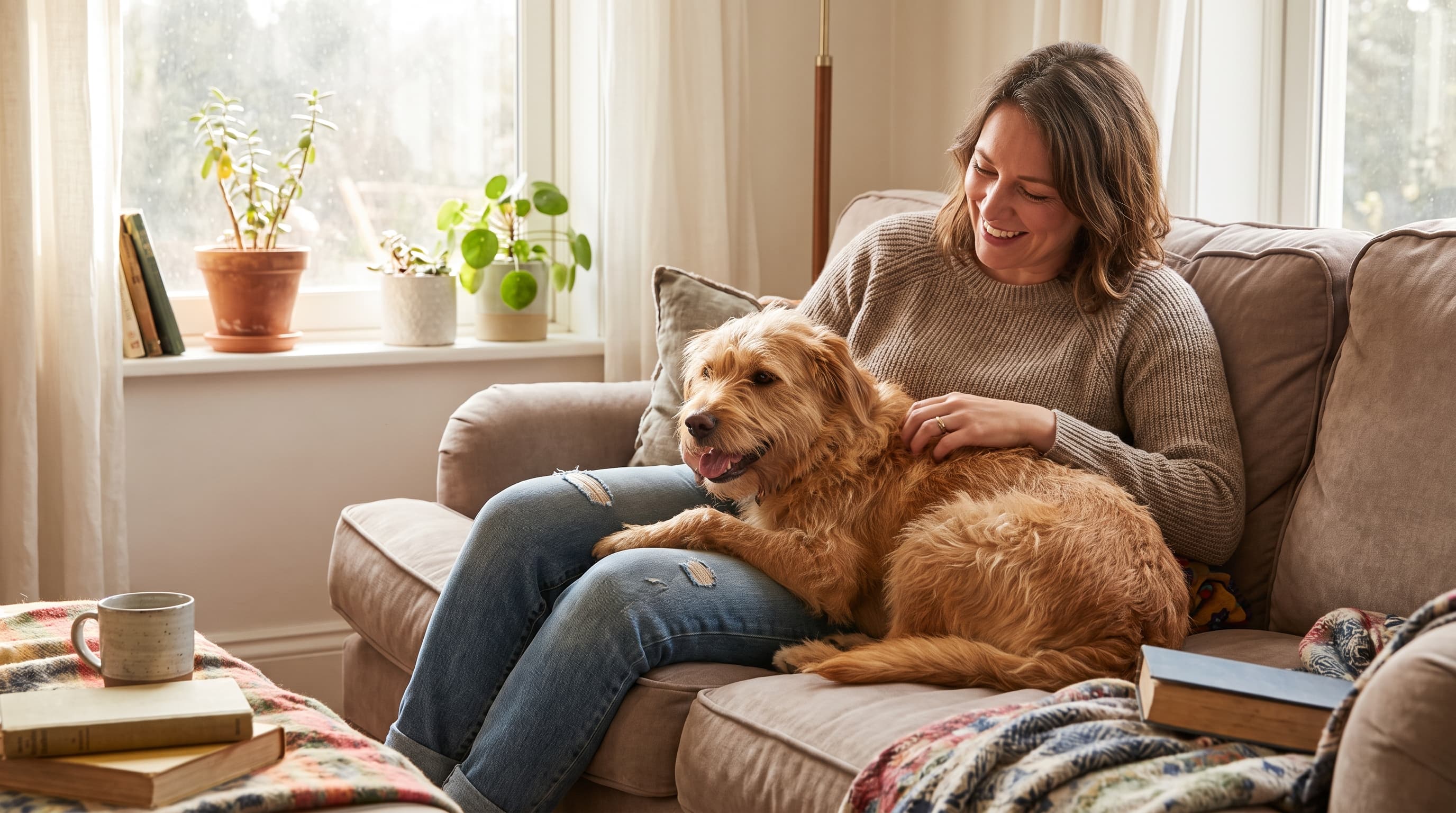

Why Does My Dog Lay on Me? 8 Sweet Reasons Behind the Cuddle
Why does my dog lay on me? In almost every case, it's a sign of affection, trust, and security—your dog's version of a hug. By draping themselves across you, dogs soak up your warmth, feel protected by your presence, and strengthen the bond with the human they consider part of their pack. It's rarely about dominance and almost always about love.
Few things feel better than a dog flopping onto your lap the moment you sit down. But if you've ever found yourself pinned under a snoozing pup wondering what it all means—or whether it's a problem—you're in good company. Here are the eight most common reasons your dog lays on you, plus when clingy cuddling is worth a closer look.
1. They're Showing You Affection
The simplest explanation is usually the right one: your dog lies on you because they love you. Behavior experts agree that "the main answer is that dogs lie on you because they are showing you affection"—lying across your lap or chest is essentially a canine hug (Dogster). For a species that bonds through physical closeness, there's no clearer way to say "you're my favorite" than full-body contact.
2. They Feel Safe and Secure
Dogs most often lie on their owners because it makes them feel safe, bonded, and emotionally secure—behavior tied to attachment, comfort, and trust rather than dominance (Wild Earth). You are your dog's anchor. Pressing against you lowers their stress and reassures them that their most important resource—you—is right there. This is also why many dogs choose to sleep touching their humans at night.
3. Pack Instinct and Bonding
Dogs are social pack animals, and closeness is how packs reinforce their bonds. In the wild, canines pile together to stay warm and secure, and that instinct carries into your living room. When your dog lies on you, they're treating you as a trusted member of their pack—the same reason so many dogs shadow their owners from room to room, a trait affectionately known as being a "velcro dog" (American Kennel Club).
4. They're Seeking Warmth
You're a heat source, and dogs know it. Your body runs warm and steady, making your lap prime real estate—especially for small breeds, thin-coated dogs, seniors, and anyone riding out a cold evening. If your dog gravitates to you more in winter or after a bath, simple thermal comfort is likely part of the appeal.
5. They Want Your Attention
Sometimes a dog plopping onto you is a not-so-subtle request. If you've been busy, distracted, or glued to a screen, your dog may lie on you to remind you they exist and would love some engagement (TrustedHousesitters). Attention-seeking cuddles are usually harmless—just be mindful not to accidentally reward pushy behavior if it tips into demanding.
6. They're Protecting You (or Feeling Protected)
Dogs are naturally protective of the people they love. Some will lie across you as a form of guarding, positioning themselves between you and a perceived threat—or simply staying alert and close. Others do the opposite, seeking your protection when they feel vulnerable. Either way, the behavior reflects the deep two-way trust in your relationship.
7. Comfort During Fear or Anxiety
Thunderstorms, fireworks, vet visits, and unfamiliar guests can all send a nervous dog straight into your lap. Physical contact is genuinely soothing—snuggling a dog can lower blood pressure and ease anxiety for both of you. If your dog only piles on during scary events, they're using you as a security blanket, which is exactly what a trusted human should be.
8. Breed Tendencies and Personality
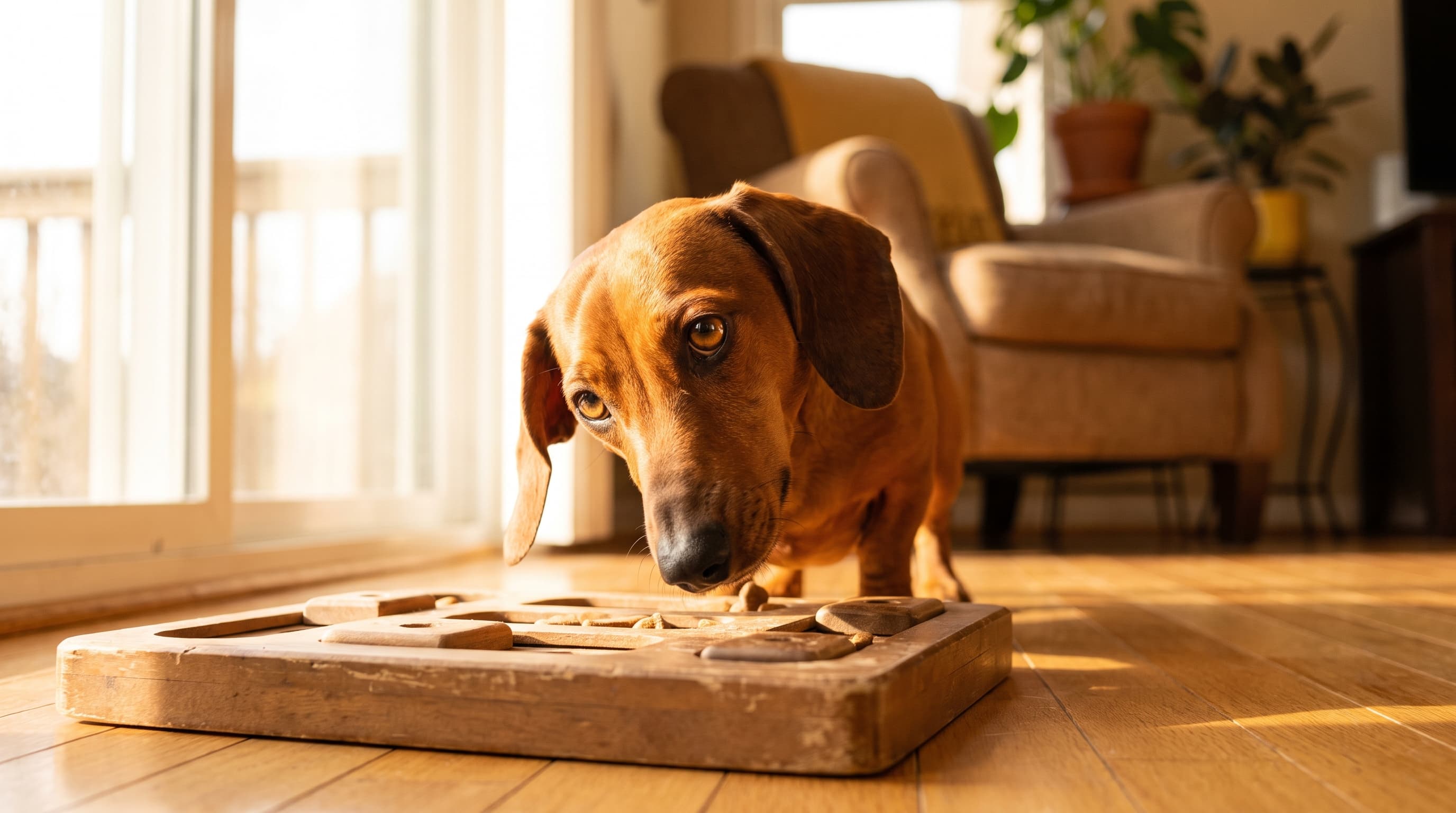
Some dogs are simply born cuddlers. Breeds like Dachshunds, Cavalier King Charles Spaniels, and Great Danes are famous "velcro dogs" that crave constant closeness, while other individuals are more independent regardless of breed. Your dog's unique personality and early socialization shape just how much lap time they request.
Is It Ever a Problem? When Cuddling Signals Something More
Laying on you is overwhelmingly healthy and normal. But a few patterns are worth attention. If your dog's need for contact seems frantic, if they panic when separated from you, or if the clinginess appears suddenly, it could point to separation anxiety, pain, or illness rather than plain affection (TrustedHousesitters). Reading your dog's overall body language helps you tell contentment from distress (American Kennel Club). A dog who is relaxed, loose, and sleepy is cuddling; a dog who is tense, trembling, or restless may be telling you something is wrong. When a behavior change is sudden or extreme, check in with your veterinarian to rule out a medical cause.
How to Respond to a Dog Who Lays on You
- Enjoy it—mostly. Cuddles build your bond and are good for you both. There's no need to discourage a happy, relaxed dog.
- Set gentle boundaries if needed. If a large dog on your lap is uncomfortable, teach a cozy "place" or bed nearby so your dog can stay close without flattening you.
- Don't reward pushiness. If lying on you is paired with demanding barking or nudging, wait for calm before offering attention.
- Watch for anxiety. If closeness looks compulsive rather than comfortable, work on independence and consult a professional.
What It Means Based on Where Your Dog Lays
The spot your dog chooses can add nuance to the message. While every dog is an individual, these patterns show up again and again:
- On your chest or over your heart: Peak bonding. Your dog is drawn to your heartbeat, warmth, and scent—this is closeness in its purest form.
- On your lap: Classic affection and attention-seeking, common in smaller dogs who fit the space perfectly.
- On your feet: A blend of contact-comfort and quiet guarding; your dog stays connected while keeping watch.
- Against your back or side: Trust and shared security, especially at night. Back-to-back contact lets both of you relax.
- Across a doorway near you: A gentle protective instinct—your dog is positioning themselves between you and the rest of the house.
None of these are cause for concern on their own. They're simply different dialects of the same core message: I want to be near you.
Does Breed or Size Change the Behavior?
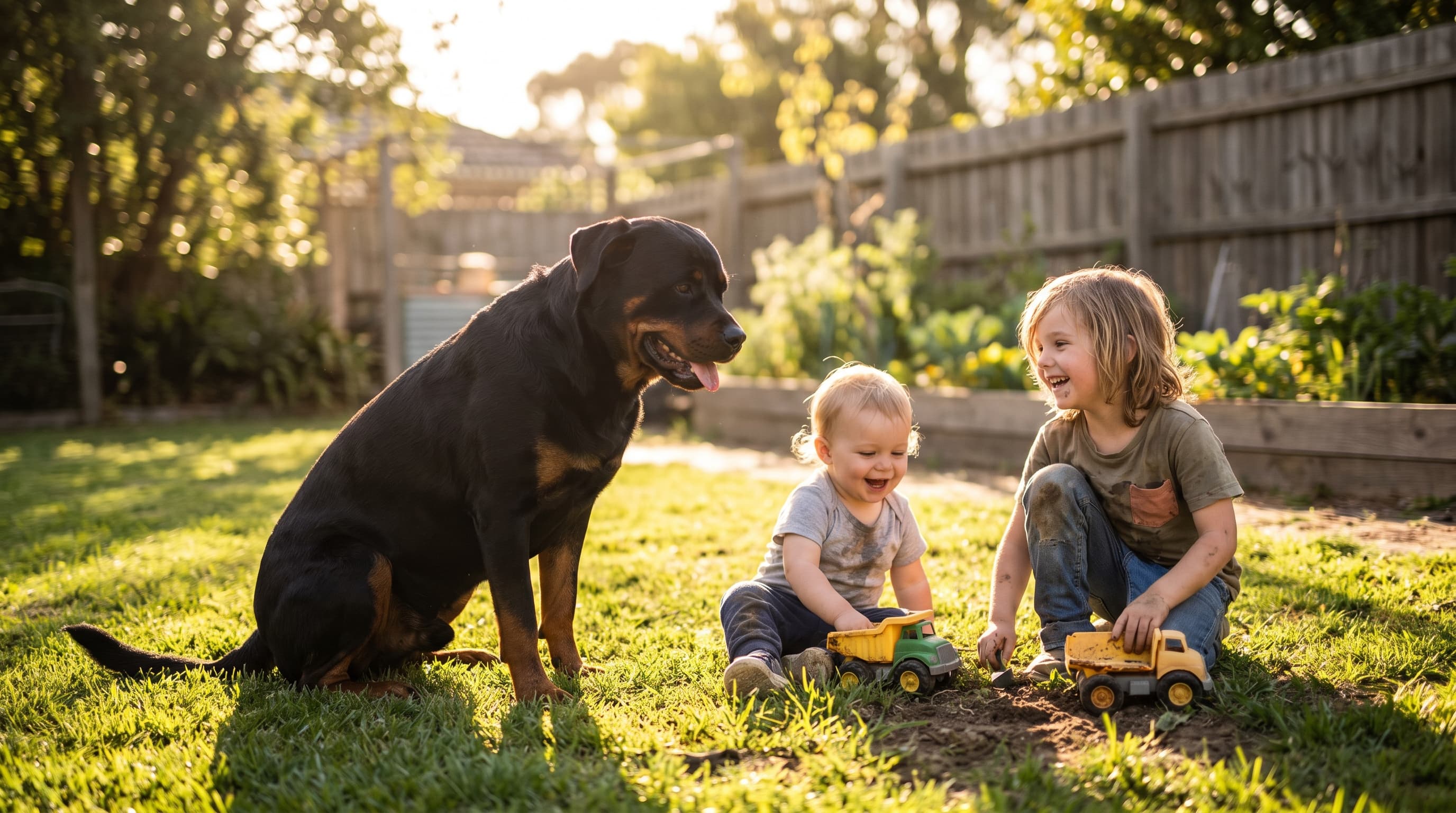
To a degree, yes. Companion breeds developed to sit in laps—Cavaliers, Maltese, French Bulldogs, and yes, Dachshunds—often lean into lap-lying more than working or independent breeds bred to patrol at a distance. But personality and upbringing frequently override breed tendencies. A Great Dane may believe wholeheartedly that they are a lap dog, while a petite terrier may prefer their own cozy corner. Size mostly affects logistics: a 90-pound dog draping across you simply makes more of an impression than a 12-pound one. What matters is the intent behind the cuddle, which stays the same across the size spectrum (Wild Earth).
Frequently Asked Questions
Does my dog laying on me mean dominance?
Almost never. Modern behavior science has largely debunked the idea that cuddling is a dominance play. Lying on you is far more likely to reflect affection, comfort, warmth, or a bid for attention than any attempt to control you.
Why does my dog lay on me and not my partner?
Dogs often bond most tightly with the person who feeds, walks, or spends the most one-on-one time with them, or simply the one whose energy feels most calming. It's a compliment, not a snub to anyone else in the household.
Why does my dog lay on me only at night?
Nighttime is when the house goes quiet and dogs feel most vulnerable, so many seek the security and warmth of their favorite human to settle down. It mirrors the pack instinct to sleep together for safety.
Should I let my dog sleep on me?
For most healthy dogs and owners, it's perfectly fine and even comforting. Reconsider if it disrupts your sleep, if your dog resource-guards the spot, or if either of you has allergies or health concerns. The choice is entirely yours.
Is it bad if my dog is too clingy?
Occasional clinginess is normal, but constant, anxious shadowing—especially with panic when you leave—can indicate separation anxiety. Building your dog's confidence with independence exercises and, if needed, professional help can bring balance.
The Bottom Line
When your dog lays on you, they're paying you the highest compliment in their vocabulary: complete trust. Warmth, security, affection, and pack instinct all converge in that cozy pile on your lap. Savor it, watch for the rare signs of anxiety, and know that your dog has chosen you as their safest place in the world.
Subscribe to the Daily Wag newsletter for more insight into your dog's quirks, cuddles, and behavior—delivered fresh to your inbox every day. Keep decoding your dog with these related reads: