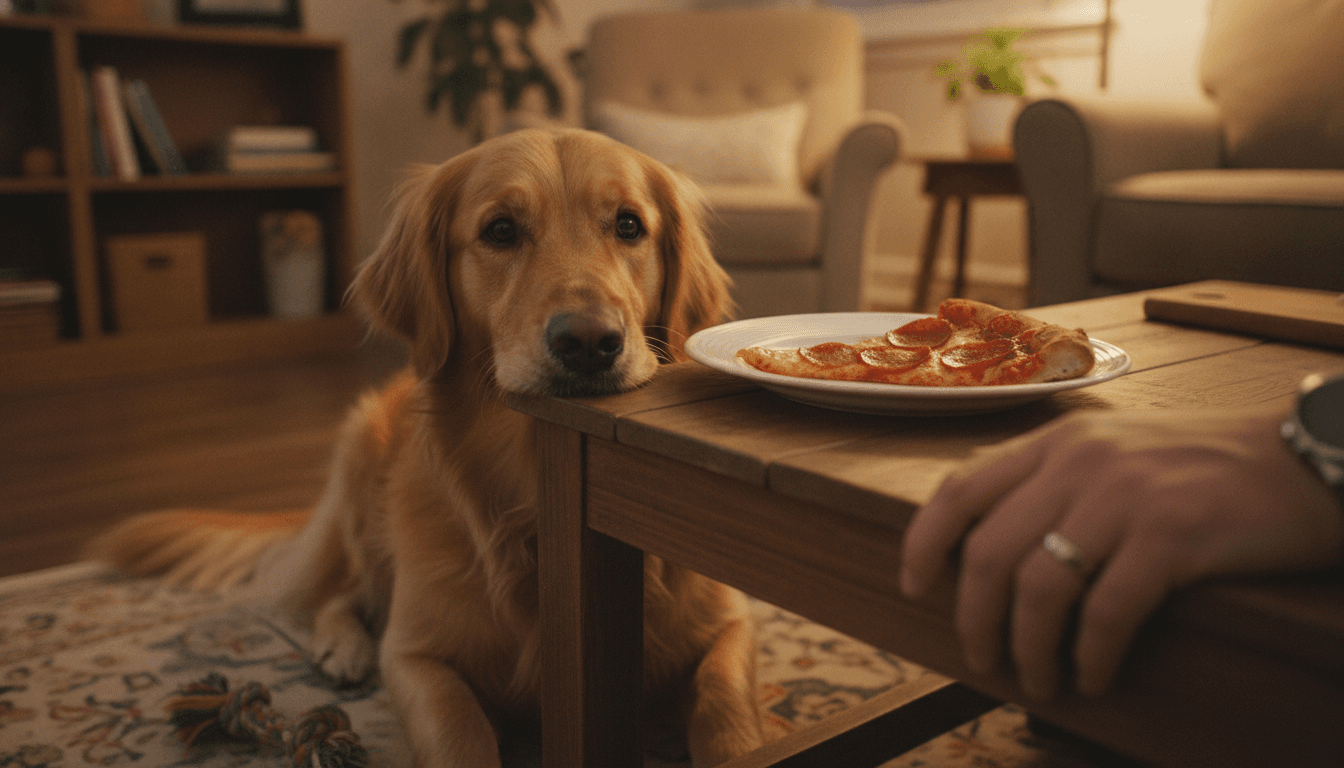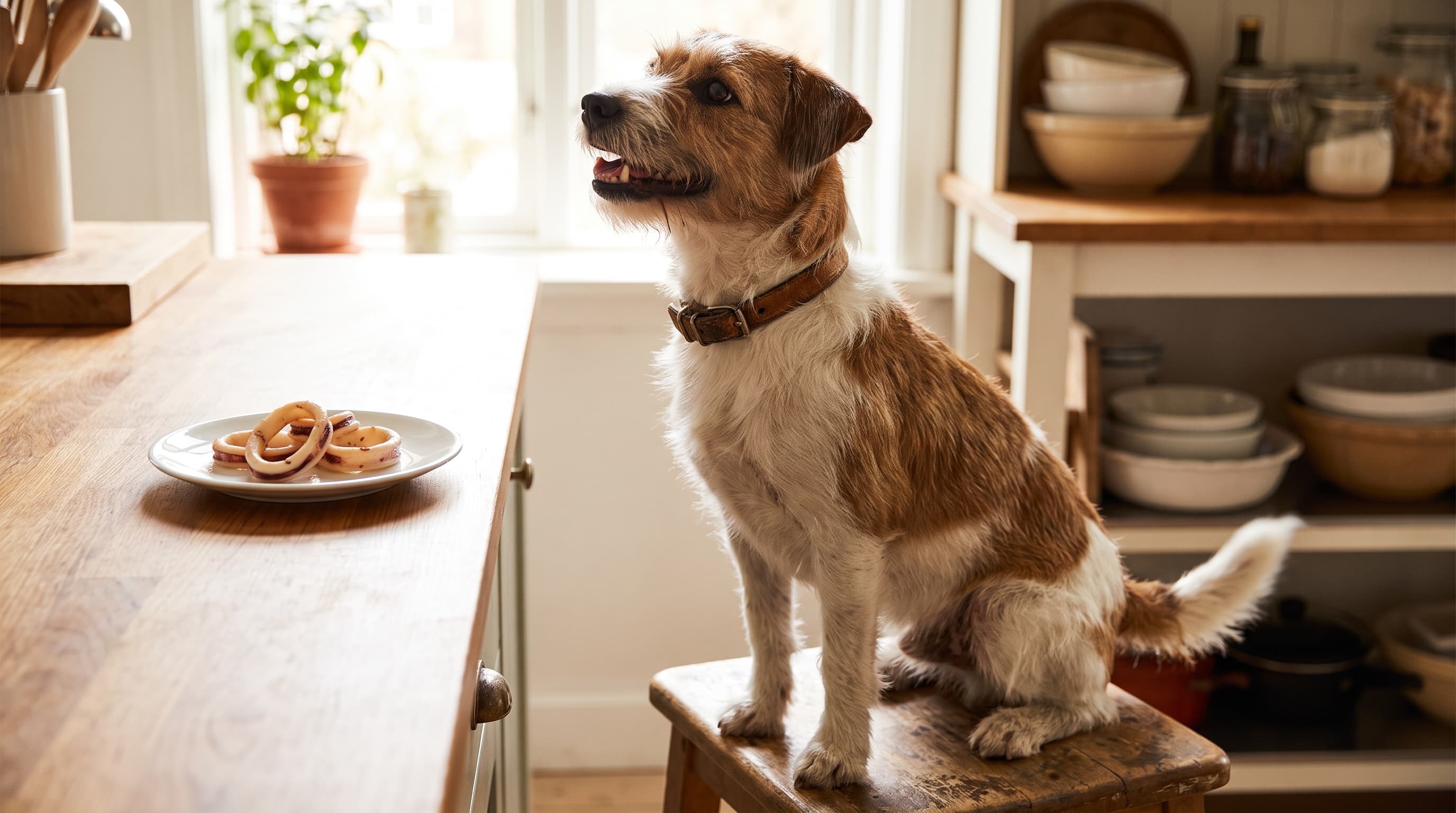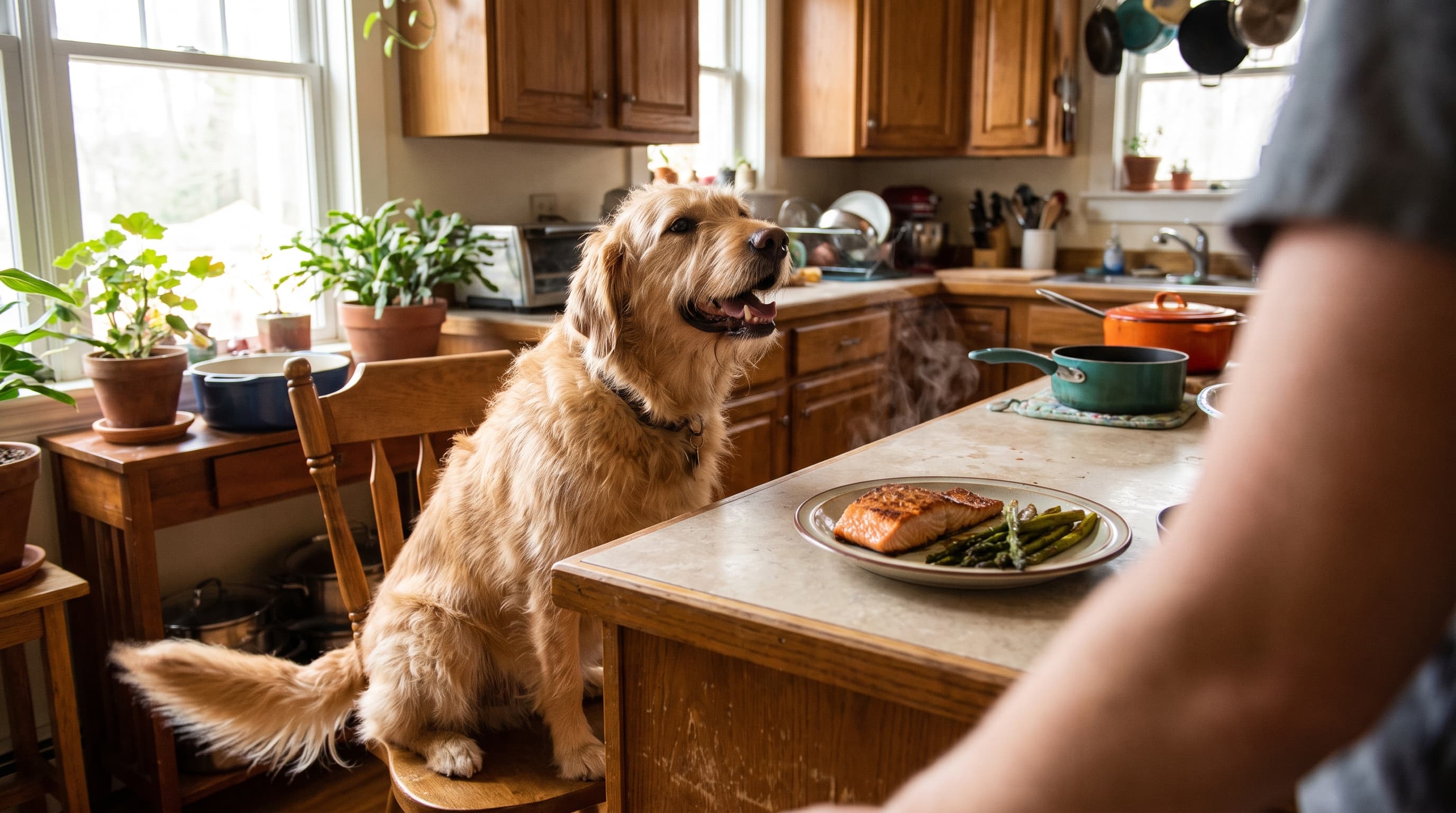

Can Dogs Eat Salami? What Every Dog Owner Should Know
Dogs should not eat salami. While a single small bite is unlikely to harm a healthy dog, salami is loaded with salt, fat, and seasonings like garlic and onion powder that can be toxic to dogs. Regular or large amounts can lead to salt poisoning, pancreatitis, and digestive upset, so it's best avoided.
It's one of the most common kitchen questions: you're building a charcuterie board, your dog is staring up with those pleading eyes, and you wonder whether a slice of salami is a harmless treat or a genuine risk. The honest answer is that salami sits firmly in the "better not" category. Below, we break down exactly why, what to do if your dog sneaks some, and which safer treats can satisfy that meaty craving instead. This article is for general information only and is not a substitute for professional veterinary advice.
Is Salami Safe for Dogs?
No — salami is not considered safe for dogs, even though it isn't acutely poisonous in the way that, say, chocolate or grapes are. The problem is what salami is made of. It's a cured, fermented sausage packed with sodium, saturated fat, and a spice blend that frequently includes garlic and onion powder. None of those are good for dogs, and in combination they make salami a treat best left off the menu (Rover).
A lone small piece offered once isn't an emergency for most healthy adult dogs. But "not an emergency" is very different from "good for them," and the risks climb quickly with quantity, frequency, and a dog's size or health status (Dogster).
Why Salami Is Bad for Dogs
There are three main reasons veterinarians steer owners away from feeding salami.
1. It's Extremely High in Salt
Salami is a cured meat, and curing means salt — a lot of it. Too much sodium can cause excessive thirst and urination, and in larger amounts it can lead to salt poisoning (hypernatremia), with symptoms like vomiting, diarrhea, lethargy, tremors, and in severe cases seizures. Small dogs are especially vulnerable because it takes far less salt to tip them over (Canine Journal).
2. It's Loaded with Fat
Salami is a high-fat food, and sudden or repeated doses of rich, fatty food are a leading trigger for pancreatitis — a painful, potentially serious inflammation of the pancreas. Symptoms can include vomiting, a hunched posture, abdominal pain, loss of appetite, and lethargy. High-fat treats also contribute to weight gain over time (DogTime).
3. It Often Contains Garlic and Onion
Many salami recipes are seasoned with garlic and onion powder. Both belong to the allium family, which is toxic to dogs and can damage red blood cells, potentially causing a form of anemia. Because powdered forms are concentrated, even seasoning amounts add up — another reason cured, seasoned meats are risky (Outward Hound).
What Happens If a Dog Eats Salami?
The outcome depends almost entirely on how much your dog ate relative to their size. A 70-pound Labrador that nabs a single slice off the floor will likely be fine. A five-pound Chihuahua that eats several slices is a very different situation.
Watch for these signs in the hours after your dog eats salami:
- Excessive thirst and frequent urination
- Vomiting or diarrhea
- Lethargy or weakness
- Loss of appetite or a hunched, uncomfortable posture
- Tremors, disorientation, or (in severe cases) seizures
If your dog ate a large quantity, is a small breed, has a known health condition (like a history of pancreatitis), or shows any of the symptoms above, contact your veterinarian or an animal poison control line right away. When in doubt, it's always safer to call (MasterClass).
What About Pepperoni, Prosciutto, and Other Cured Meats?
If salami is off the table, its cured-meat cousins are too. Pepperoni is even spicier and saltier; prosciutto and other cured hams are extremely high in sodium; and processed deli and lunch meats share the same salt-fat-seasoning problems, often with added preservatives like nitrates. As a rule of thumb, the whole category of cured, seasoned, and processed meats is one to skip for dogs. If you're curious about other people-food gray areas, see our roundups on whether dogs can eat pizza and the risks and benefits of beef jerky.
Safe, Dog-Friendly Alternatives to Salami
The good news is that you can absolutely give your dog a savory, meaty treat — just choose smarter sources. Better options include:
- Plain cooked lean meats — small pieces of unseasoned cooked chicken, turkey, or lean beef with no salt, oil, garlic, or onion.
- Plain cooked egg — a protein-rich, low-risk treat in moderation.
- Dog-specific jerky and treats — formulated for canine sodium and fat levels.
- Crunchy veggies — many dogs love carrot sticks or green beans for a satisfying, low-calorie snack.
Whatever you choose, treats should make up no more than about 10% of your dog's daily calories. For more ideas, browse our guide to the healthiest human foods for dogs and our take on whether dogs can eat cheese.
How to Keep Salami Out of Reach
Most salami incidents are accidents — a dropped slice, an unattended charcuterie board, a swiped sandwich. A little prevention goes a long way:
- Keep cured meats and deli platters pushed back from counter edges.
- Don't feed salami as a "just this once" training treat — it sets an expectation and a habit.
- Brief party guests and kids not to slip the dog scraps.
- Secure the trash, where greasy meat wrappers are a major temptation.
Frequently Asked Questions
Can dogs eat one slice of salami?
A single small slice is unlikely to harm a healthy, medium-to-large dog, but it offers no nutritional benefit and isn't recommended. Small dogs and dogs with health issues are at higher risk even from small amounts.
Is salami toxic to dogs?
Salami isn't acutely toxic like chocolate, but the garlic and onion seasonings it often contains are toxic to dogs, and its high salt and fat content can cause salt poisoning and pancreatitis in larger or repeated amounts.
What should I do if my dog ate a lot of salami?
Watch closely for vomiting, diarrhea, excessive thirst, lethargy, or tremors, make sure fresh water is available, and contact your veterinarian or an animal poison control line — especially for small dogs or those with existing health conditions.
Can puppies eat salami?
No. Puppies have sensitive, developing digestive systems and are even more vulnerable to the salt, fat, and seasonings in salami. Stick to puppy-appropriate foods and treats.
Is turkey or chicken salami safer for dogs?
Not meaningfully. Poultry-based salamis are still cured, salted, and seasoned with the same problem ingredients, so they carry the same risks as pork salami.
What meats can dogs eat safely?
Plain, cooked, unseasoned lean meats like chicken, turkey, and lean beef are good options in moderation — no added salt, oil, garlic, or onion.
The Bottom Line
Can dogs eat salami? Technically a tiny bite won't usually hurt, but salami's salt, fat, and garlic-and-onion seasonings make it a treat worth skipping entirely. Reach for plain cooked meats or dog-safe treats instead, and keep the charcuterie board to yourself. This article provides general information only and is not a substitute for professional veterinary advice — if you're worried about something your dog ate, or you're unsure what's safe, talk to your veterinarian.
Want more clear, vet-aware answers to "can my dog eat this?" Subscribe to the Daily Wag newsletter for practical pet-nutrition guidance and good-dog content delivered straight to your inbox.