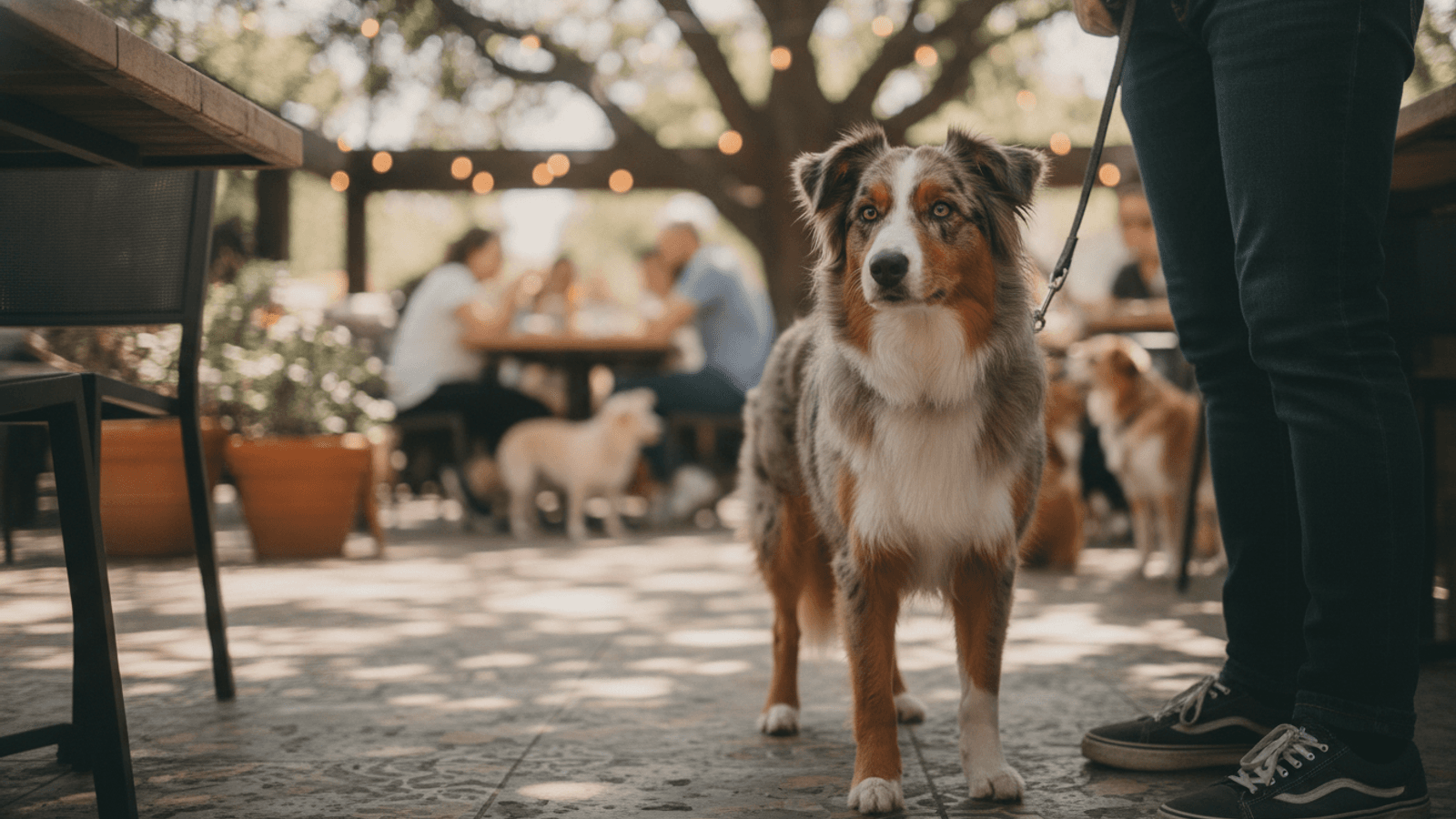

If a dog bite happens in a public place, the most important things to do right away are to get to safety, check the injury, get medical care if needed, collect the dog owner’s information, and document what happened before people leave. In a place like North Hollywood, where dog-friendly patios, sidewalks, apartment courtyards, and public parks are part of everyday life, these situations can become complicated quickly. A bite that feels chaotic or awkward in the moment can later turn into a medical, legal, and financial problem if the right steps are missed early.
Many people freeze when it happens. Dog owners may feel embarrassed and panicked. The injured person may not know whether the wound is serious. Bystanders may be talking all at once. That confusion is exactly why the first few minutes matter so much. What you do early can affect treatment, reporting, and whether responsibility is clear later on.
What to Do Right Away After a Dog Bite in Public
The first priority is simple: create space and stop the situation from getting worse. Move away from the dog if it is still agitated, and make sure no one else is in immediate danger. If the owner is present, they should secure the dog calmly and quickly. If the environment is crowded or the dog is loose, focus on getting the injured person to a safer area first. If the injury ends up being more serious than it first appears, speaking with a North Hollywood dog bite lawyer can help clarify what responsibility may look like and what steps matter most after the bite.
Then check the injury. Some bites look small but are deeper than they seem. Puncture wounds, torn skin, facial bites, and hand injuries should never be brushed off. If there is heavy bleeding, visible tearing, or the injured person is a child, medical care should come first. Even less dramatic bites can lead to infection, scarring, or pain that gets worse over time.
What Information to Collect Before People Leave
Once the immediate danger has passed, gather the key information while everyone is still there. Get the dog owner’s full name, phone number, and any available address details. Ask about vaccination records if they have them, especially rabies information. If anyone saw what happened, ask for their names and contact details too.
This part matters because public-space bites often become harder to untangle later. People leave, details get fuzzy, and everyone remembers the event a little differently. If the injury starts affecting your health, your work, or your finances, having basic information from the beginning makes things much easier.
What to Photograph and Write Down
Photos can do a lot of work for you later. Take clear pictures of the bite, any torn clothing, blood on the ground if visible, the dog if it is safe to do so, and the exact location where it happened. If the bite happened at a park, patio, apartment entrance, or other shared public area, take wider photos that show the setting too.
It also helps to write down what happened while it is still fresh. Note the time, place, whether the dog was leashed, what the dog was doing before the bite, and whether anyone said anything important right after it happened. If you want a closer look at how responsibility can get complicated in these settings, Sidewalk Dog already has a helpful piece on dog bites in public spaces and when responsibility is not always obvious.
Why Medical Care Should Not Wait
A lot of people hesitate here because the moment feels awkward and emotional. They do not want to escalate things, especially if the owner seems apologetic and the wound does not look catastrophic. But dog bites deserve prompt medical attention, even when they seem minor at first. Mayo Clinic’s animal bites first aid guidance explains why cleaning the wound properly and getting medical advice can be important in preventing infection and handling deeper injuries correctly.
Medical care also creates a clear record. If pain gets worse, the wound becomes infected, or the bite leaves a visible scar, those early records help connect the injury to what happened in a straightforward way.
Why Reporting the Bite Matters
People often avoid reporting a bite because they do not want to create a bigger problem. But in many cases, reporting can protect everyone involved. Animal control or local public health agencies may need to know about the bite, especially if vaccination status is unclear. A report can also help create a neutral record if the injury worsens or the facts are later disputed.
Reporting does not automatically mean a drawn-out legal fight. In a lot of situations, it simply means making sure there is a clear official record before the details start to drift.
What Dog Owners Can Learn From These Situations
Dog bites in public places are not always about an “aggressive dog.” Sometimes a dog is startled, overstimulated, uncomfortable around crowds, or reacting to a stressful environment. That is why dog owners should take warning signs seriously, know their dog’s triggers, and be realistic about whether a busy patio, public sidewalk, or shared apartment space is the right setting.
If you want a more general read on prevention and response, Sidewalk Dog also has a useful article on how to handle dog bites and useful tips to prevent them. It is a good reminder that handling these situations well starts long before anything goes wrong.
Take Action Before the Situation Gets Harder
The smartest response is usually the calmest one. Get safe, check the injury, gather the right information, take photos, and get medical care if there is any real chance the bite is serious. Those steps protect everyone involved and make it much easier to deal with questions about health, reporting, or responsibility later on.
The hard part is that the moment can feel uncomfortable and emotional, and people often want to smooth things over and move on. But if the injury turns out to be serious, if facts are disputed, or if the bite starts affecting daily life, waiting usually makes things harder. A little care in the beginning can prevent a much bigger problem later.